Korea Food Guide for Foreigners
Find the right Korean restaurant before you arrive
EatHub Blog is an English-first food guide for travelers, expats, and visitors who want practical restaurant choices in Korea.
Latest Guides

Neulpureun Mokjang Jamsil: Beef Tartare and Grilled Beef Near Seokchon
A Blue Ribbon-listed beef house in Jamsil that pairs grilled beef with beef tartare, plus three video-featured neighbours for cold noodles, sashimi and butcher-shop meat.

Gimpo: Daemyeong Port, Old Forts and a Day Trip West of Seoul
Gimpo sits on the Han River estuary, with a working fishing port, a warship museum and fortress walls. Add river sashimi, Chinese-Korean classics and market-style snack bars.

Yeonje-gu, Busan: A Pork Soup, Sashimi and Chicken Tour Around City Hall
Busan's city hall district is full of everyday restaurants: pork soup, trotters, butterfish, Chinese-Korean noodles and fried chicken, with a riverside walk to finish.

Sogeumjip Deli in Mangwon: A Jambon-Beurre Sandwich Stop on Seoul's Coziest Food Street
A Mangwon-dong deli known for its jambon-beurre and Reuben sandwiches, seen on Culinary Class Wars and Wednesday Food Talk. Add three neighbours for crab curry, tonkatsu and Chinese-Korean noodles.
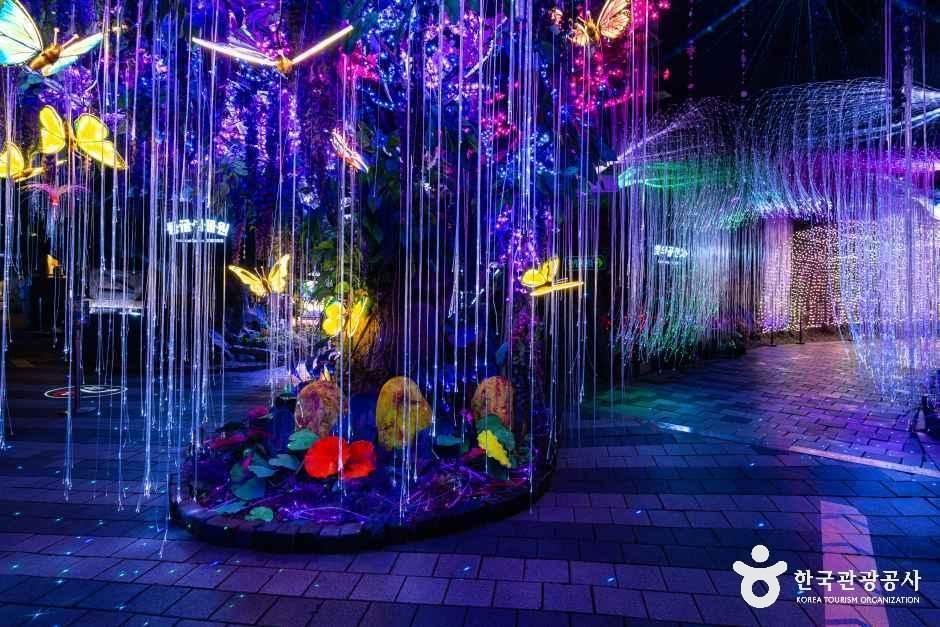
Gwangmyeong: A Gold Mine Turned Cave Park, and One of Seoul's Biggest Markets
Just past Seoul's southwest edge, a colonial-era gold mine has become Korea's most unusual underground attraction — with a wine cave inside — and Gwangmyeong Traditional Market is a street-food tour in itself.

Geumjeong: Beomeosa Temple, Korea's Largest Mountain Fortress and a University Food Street
Busan's northern district climbs from a 7th-century temple to fortress walls on Geumjeongsan — with a famous village makgeolli at the top and a student food scene at the bottom.

Hanam: An Olympic Rowing Lake, a Mountain on the Subway, and Post-Hike Food
At the eastern end of Seoul Subway Line 5, Hanam has Misa's lake parks, Geomdansan's river views and a proper after-hike food culture — scorched-rice chicken soup, charcoal dakgalbi and beef-tripe hot pot.

Bundang and Pangyo: Where Korea's Tech Workers Actually Eat
South of Seoul, Seongnam's new towns hide a lake park with a bungee tower, Baekje-era tombs under a tech valley, and a serious neighbourhood food scene — from Andong noodles to German butchery.

Yangpyeong: A Thousand-Year-Old Ginkgo, a Lotus Garden and Okcheon's Naengmyeon
East of Seoul on the Gyeongui–Jungang Line, Yangpyeong is river gardens, mountain temples and one of Gyeonggi's best noodle towns. A day-trip guide from Semiwon to Yongmunsa.

Uijeongbu: A Day Trip to the Home of Budae-jjigae
Army stew was born in the towns around US bases after the Korean War, and Uijeongbu has a whole street named after it. Here's how to eat it where it started — and what else to do in town.
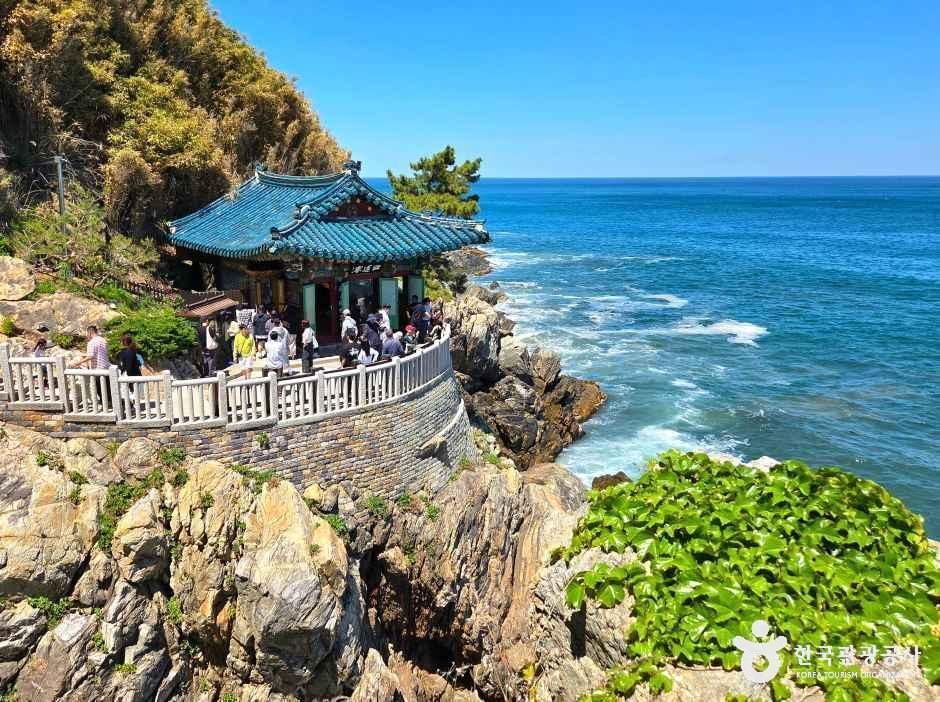
Yangyang: A Cliffside Temple, Korea's Surf Beaches and Wild-Mussel Soup
On the east coast below Seoraksan, Yangyang pairs Naksansa temple and Hajodae's pine-topped rocks with a young surf scene — and a food culture built on mussels, buckwheat and mountain herbs.
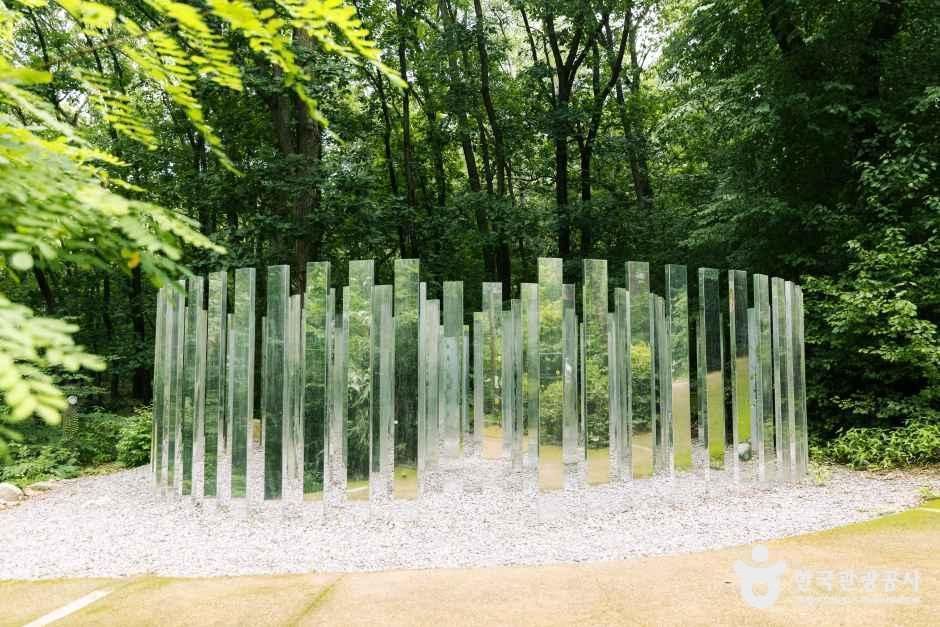
Anyang: A Valley of Public Art Under Gwanaksan, and a Market Built for Snacking
Anyang Art Park turned an old riverside resort valley into an open-air gallery by architects and artists from around the world. Add the Jungang Market's noodle and donut stalls and you have an easy Seoul-area day out.
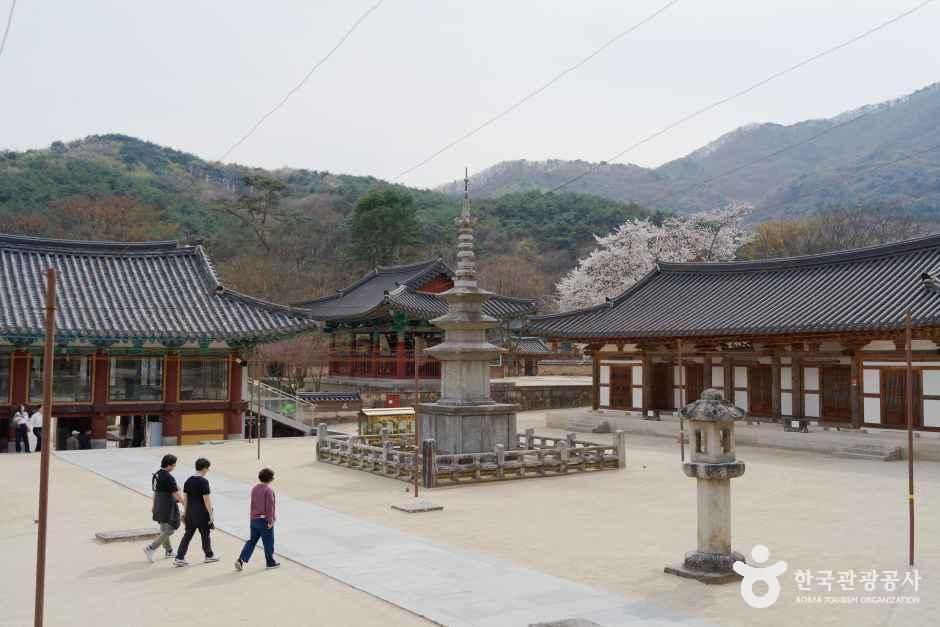
Gimcheon: Jikjisa Temple, Mountain Valleys and a Hundred-Year Bulgogi House
In the heart of North Gyeongsang, Gimcheon is a KTX stop most travellers skip. Stop for Jikjisa — one of Korea's oldest temples — quiet valley hermitages, and country cooking that locals drive out for.

Ansan: Korea's Most International Food Street, and Clam Noodles on Daebudo
In Wongok-dong, Ansan's multicultural food street serves Uzbek plov, Vietnamese pho and Chinese street snacks side by side. Add a drive over the Sihwa seawall to Daebudo for kalguksu by the sea.

Yeokjeon Hoegwan: Mapo's Crispy-Edged Bulgogi and a Century-Old Name
Thin-sliced beef pressed onto the grill until its edges crisp — bassak bulgogi is Yeokjeon Hoegwan's signature, and the restaurant is one of Seoul's officially recognised long-running shops.

Taehwajang: Daejeon's Old Chinese Restaurant Near the Station
A long-running Chinese-Korean restaurant in Daejeon's old downtown, designated a 'hundred-year shop' — tangsuyuk, dumplings and noodles a short walk from Daejeon Station and Soje-dong.

Damtaek: The Clear-Broth Shio Ramen That Earned a Bib Gourmand in Mapo
A small ramen counter in the backstreets between Hapjeong and Yeonnam, built around one bowl: a clear, salt-seasoned shio ramen that's become one of Seoul's most-queued Japanese dishes.

Maratonjip: Busan's Old-School 'Marathon' Pancake Pub Near Seomyeon
A decades-old Busan drinking house built around one dish — the 'marathon,' a crisp seafood pancake — plus fish-cake soup and a room full of regulars. As featured on Heo Young-man's Baekban Gihaeng.

Mingles: How Chef Mingoo Kang Made Korean Fine Dining a Destination
Since 2014, Mingles in Cheongdam has reworked jang (fermented sauces), seasonal namul and Korean desserts into one of Asia's most talked-about tasting menus. Here's how to plan a visit.

Imbyeongju Sandong Kalguksu: A Michelin-Listed Noodle Bowl in Seocho
Just south of Gangnam Station, a knife-cut noodle specialist named after its chef has earned a Bib Gourmand for one thing done carefully: hot, hand-cut kalguksu.

Jinju Hoegwan: Seoul's Most Famous Bowl of Cold Soy-Milk Noodles
Behind City Hall, Jinju Hoegwan has served thick, ice-cold kongguksu since the 1960s — a summer ritual for downtown Seoul, with kimchi strong enough to have its own reputation.

Geumdwaeji Sikdang: The Pork BBQ Line Worth Standing In, in Sindang-dong
Bone-in pork belly, 'snowflake' pork neck and a whole-pork kimchi stew — why Seoul's most famous pork barbecue queue forms outside a restaurant near Yaksu Station.
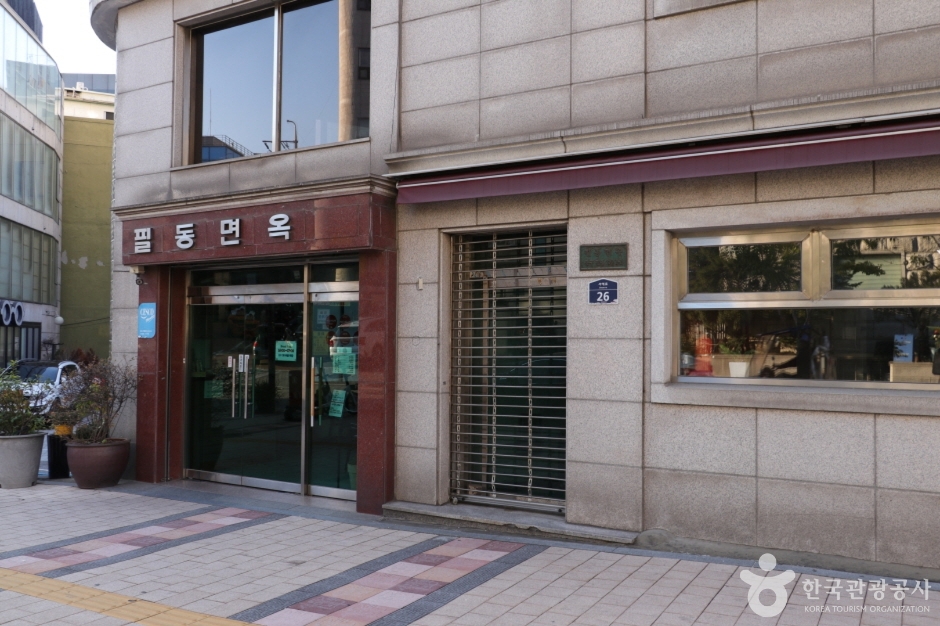
Pildong Myeonok: The Pyongyang Naengmyeon That Seoul's Noodle Obsessives Argue About
Near Namsan and Chungmuro, Pildong Myeonok serves an austere, beef-broth Pyongyang naengmyeon dusted with chili flakes — plus the sliced pork that regulars order first.
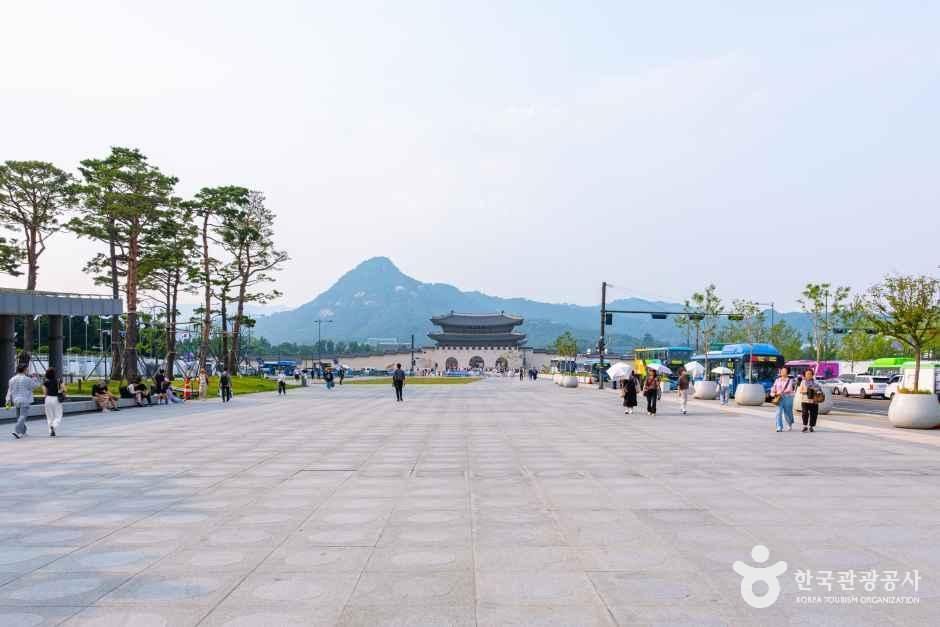
Gwanghwamun Mijin: Seventy Years of Cold Buckwheat Noodles Next to the Palace
A buckwheat noodle house that has fed the offices around Gwanghwamun since the 1950s — cold noodles, a kettle of dipping broth, and a lunch that takes fifteen minutes and costs almost nothing.

Wonju: A Suspension Bridge Over a Gorge, a Tadao Ando Museum, and Mountain Food
An hour from Seoul by KTX, Wonju has Korea's most dramatic cable-stayed footbridge, a museum built into a mountain by Tadao Ando, and the buckwheat-and-beef cooking of inland Gangwon.
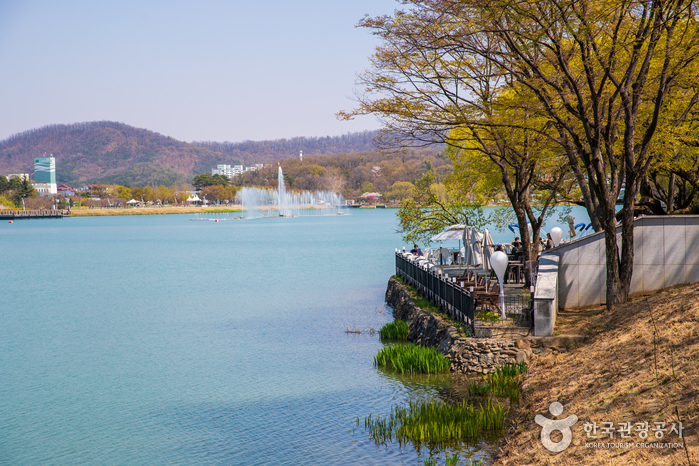
Suseong: Daegu's Lake District, and Where the City Goes Out to Eat
Daegu's eastern district has a lake with paddle boats and night lighting, the city's concert hall, and the restaurants locals actually book — including the ones that invented its specialties.
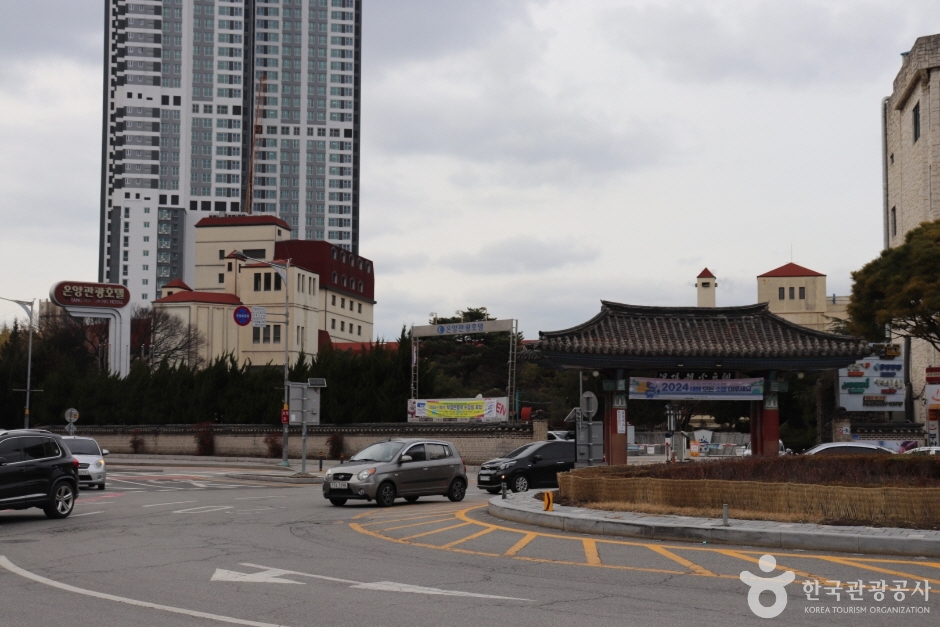
Asan: A Thousand-Year-Old Hot Spring and a Village That Never Modernized
Korean kings came to Onyang to take the waters. The clan village down the road still runs on stone walls and thatched roofs. Both are an hour from Seoul.

Cheongju: The World's Oldest Printed Book, a Mountain Fortress, and a Samgyeopsal Street
Cheongju printed a book with movable metal type 78 years before Gutenberg. It also has a hilltop fortress, a presidential retreat on a lake, and a street devoted to grilled pork.

Suncheon: Korea's Great Wetland, a Walled Village, and the Food of South Jeolla
A tidal estuary of reeds and mudflat that fills with migrating birds, a garden built over a whole district, and a fortress village people still live in — plus Jeolla cooking.

Icheon: Korea's Pottery Town, Its Most Famous Rice, and a Hot Spring to Finish
An hour southeast of Seoul, Icheon makes the ceramics, grows the rice that Korean restaurants advertise by name, and has the hot springs to soak in afterwards.

Yongin: Everland, the Folk Village, and What to Eat Between Them
Korea's biggest theme park and its best-known traditional village are in the same city, forty minutes from Seoul. Here's how to do both and eat properly in between.
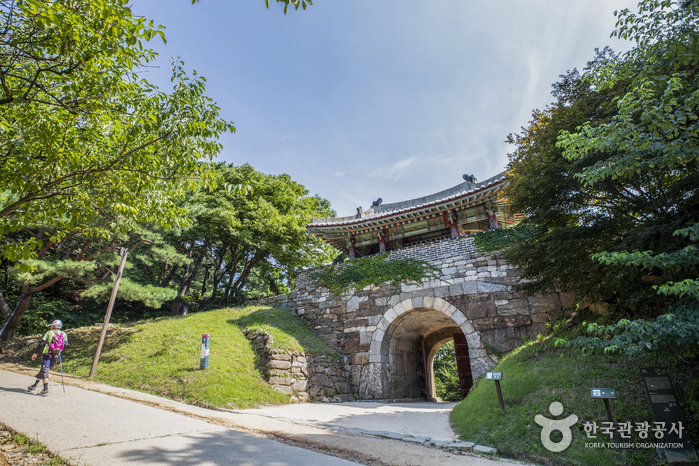
Namhansanseong: A UNESCO Mountain Fortress an Hour From Seoul
A walled mountain city built as an emergency capital, with eight kilometers of rampart walk, a village inside the walls, and a very specific reason to eat duck there.

Goyang: Lake Park, a Fortress Over the Han, and Seoul's Best-Fed Suburb
Ilsan was built from scratch in the 1990s and grew into one of Korea's most comfortable cities. It has a lake park, a riverside fortress, and an unexpectedly serious food scene.
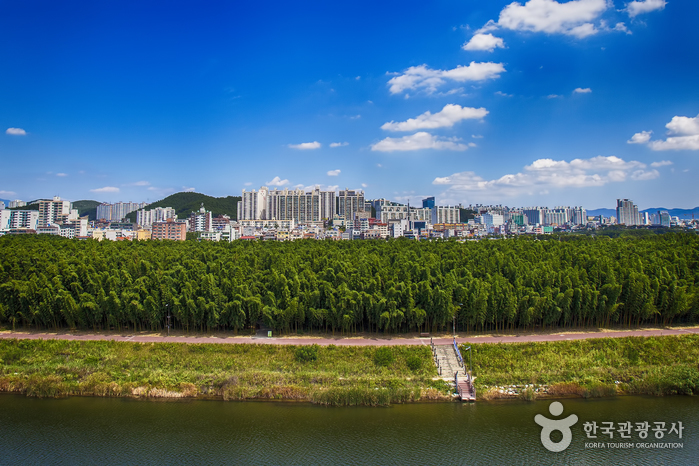
Ulsan: A Bamboo Forest in the City, a Whale Town, and Korea's Industrial Heart
Ulsan builds the ships and the cars, and almost no traveler stops there. It also has a national garden of bamboo, 7,000-year-old whale petroglyphs, and very good beef.

Igidae & Oryukdo: Busan's Cliff Walk and the View Back at the City
A coastal trail along sea cliffs, five islands you can stand over on a glass floor, and a UN cemetery. Nam-gu is the best half-day in Busan that doesn't involve a beach.
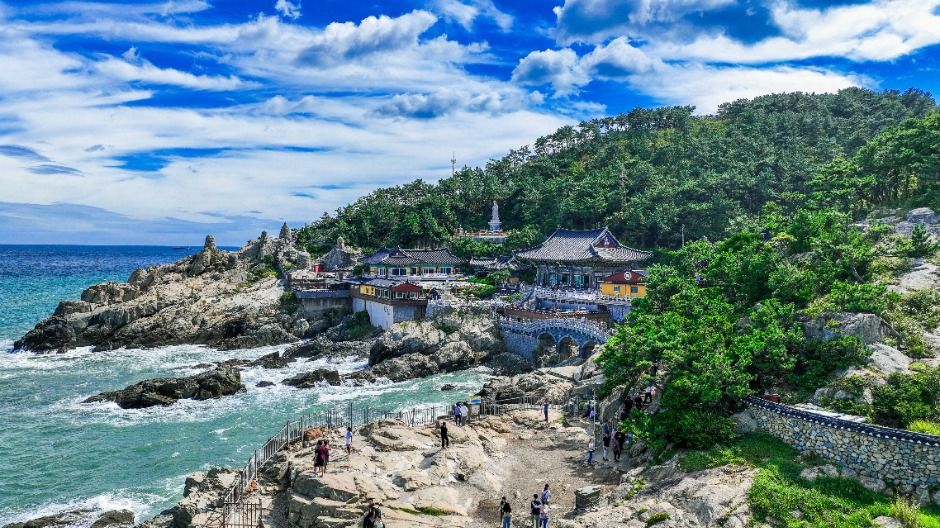
Gijang: A Temple on the Rocks, an Outlet Mall, and Busan's Coastal Edge
Haedong Yonggungsa is the rare Korean temple built on the sea rather than in the mountains. The county around it has beaches, a coastal walk, and very good cheap seafood.
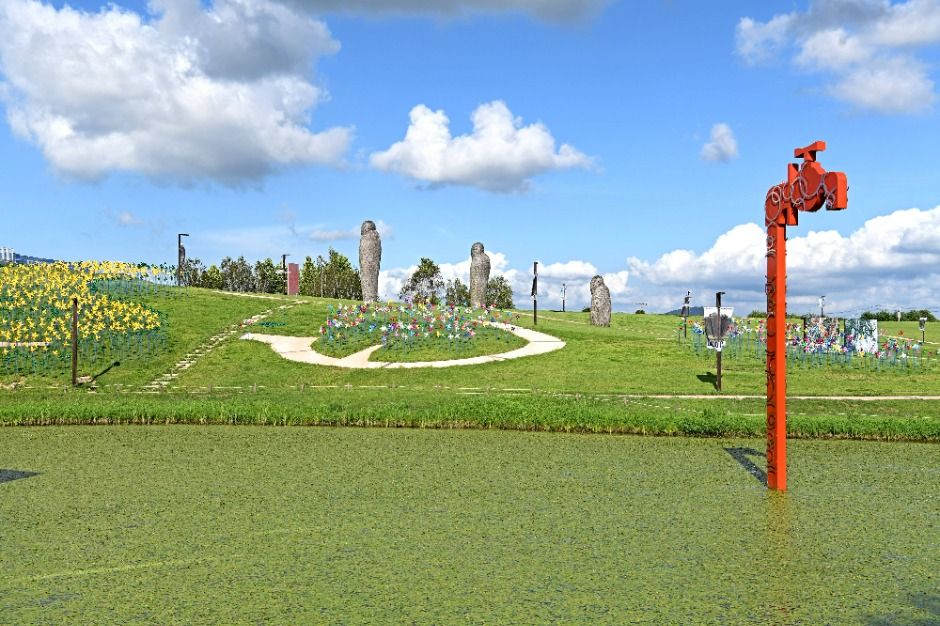
Paju & the DMZ: The Closest You Can Get to North Korea, and Where to Eat After
An hour from Seoul, the road runs out at the Imjin River. Paju has the DMZ tours, a book city, an art village, and the freshwater food of a border county.
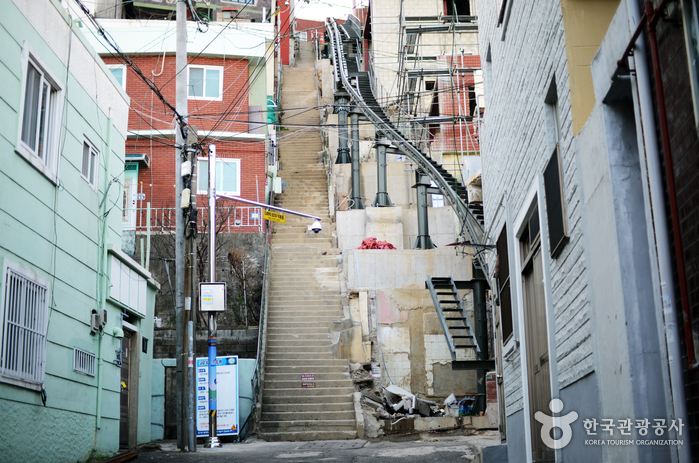
Choryang & Busan Station: The Hillside Stairs, the Chinatown, and the City's Best Jjajangmyeon
Step off the KTX in Busan and you're already there. Dong-gu has the refugee hillside neighborhoods, Korea's other Chinatown, and a food street most visitors walk straight past.
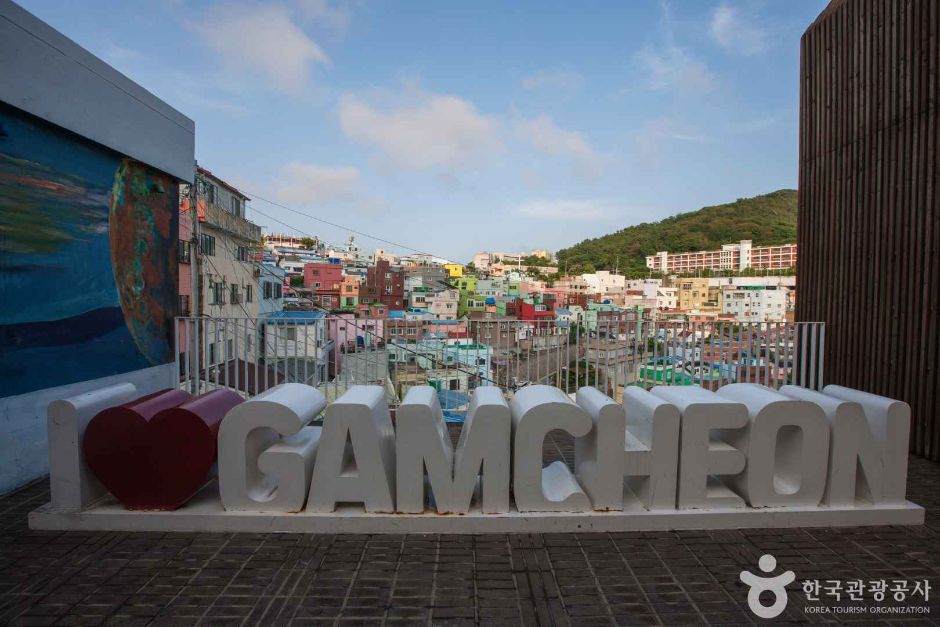
Gamcheon & Dadaepo: The Painted Village and the Best Sunset in Busan
A hillside of pastel houses built by refugees, and a wide tidal beach at the mouth of the Nakdong River. Saha-gu is two of Busan's best sights in one district.
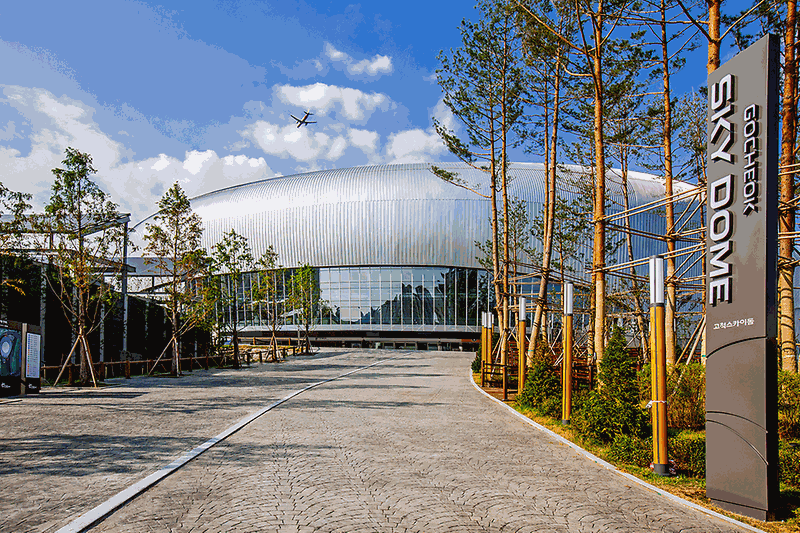
Guro & Gocheok: The Dome, the Old Industrial Belt, and Seoul's Best Cheap Grill
Gocheok Sky Dome hosts the concerts and the baseball. Around it, Guro has turned from factory district to tech quarter without losing the restaurants that fed the factories.
Eunpyeong: A Hanok Village Under a Mountain, Thirty Minutes From Downtown
Northwest Seoul has a modern hanok village, a thousand-year-old temple, and the best trailheads into Bukhansan — with almost none of the crowds of Bukchon.
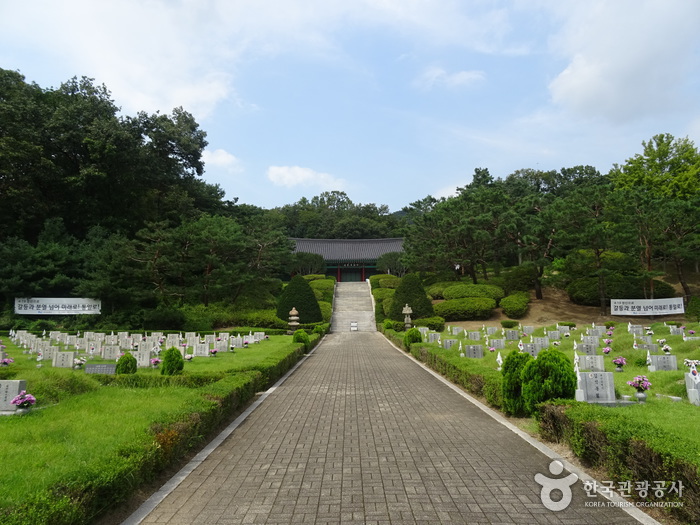
Gangbuk: The Mountain Trail, the Democracy Cemetery, and Seoul's Cheapest Good Dinner
Northern Seoul has the easiest Bukhansan trail, a national cemetery for a student uprising, and a market district where a full meal still costs less than a Gangnam coffee.
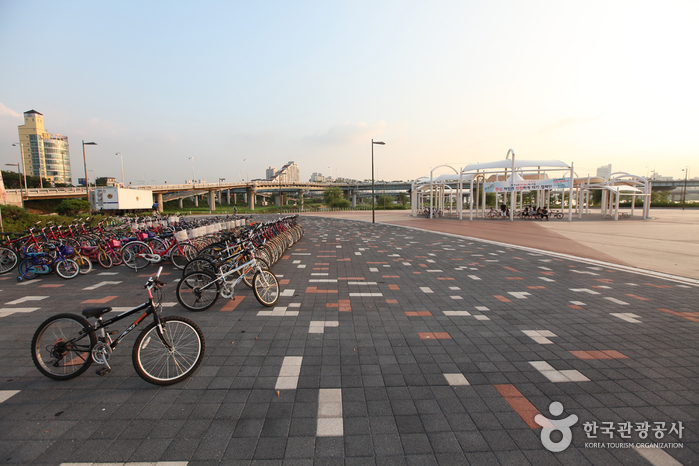
Gangdong: Seoul's Eastern Riverbank, a Neolithic Village, and a Quiet Place to Eat
Where the Han River enters Seoul from the east, Gangdong-gu has a 6,000-year-old settlement, riverside parks, and a food scene locals keep to themselves.
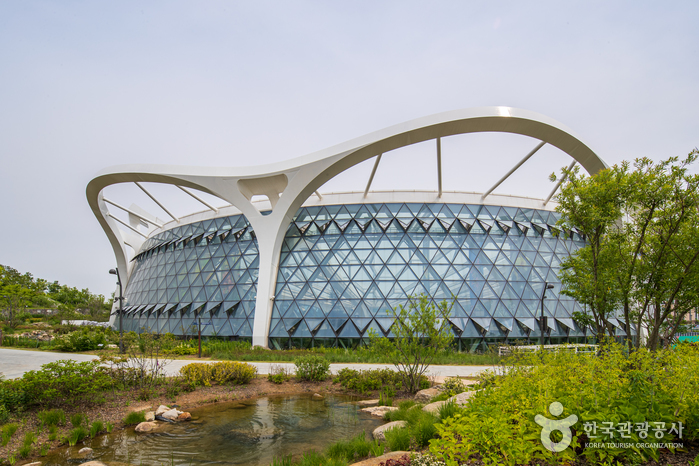
Gangseo: Seoul's Botanic Park, the Old Airport, and Where to Eat Before a Flight
Gimpo Airport handles Korea's domestic flights and short hops to Tokyo and Osaka. The district around it has a huge free botanic park and a food scene worth arriving early for.
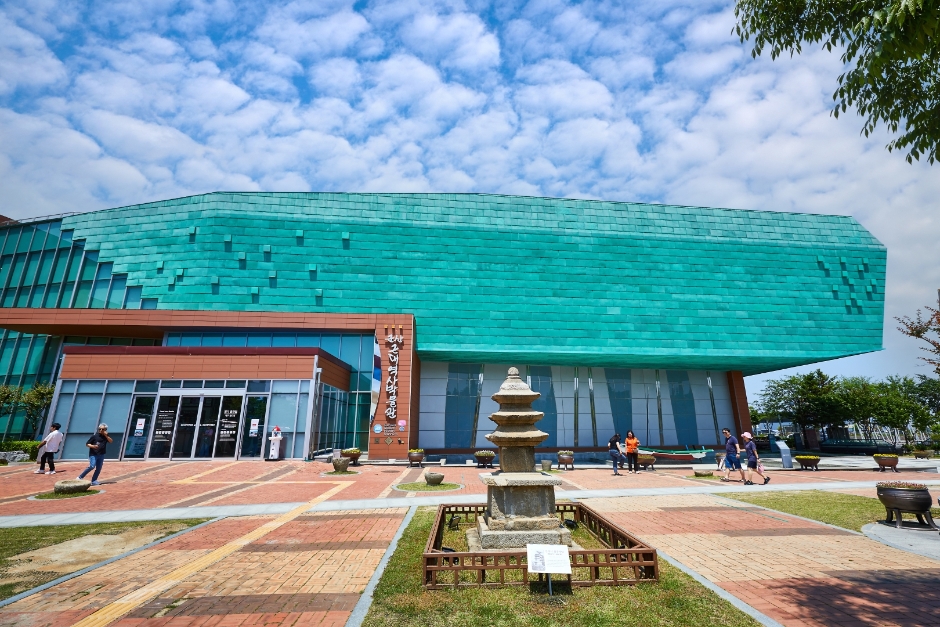
Gunsan: Korea's Best-Preserved Colonial Port, and a Bakery Worth the Train
A rice-export port under Japanese rule, Gunsan kept its 1930s streets. Today it's a walkable film-set of a town with a hundred-year-old Chinese restaurant and Korea's most famous bread.

Mokpo: A Colonial Port, the Longest Cable Car in Korea, and the Country's Best Raw Fish
Mokpo is where the mainland ends and 1,700 islands begin. It has a preserved Japanese quarter, a mountain over the sea, and a seafood repertoire that exists almost nowhere else.
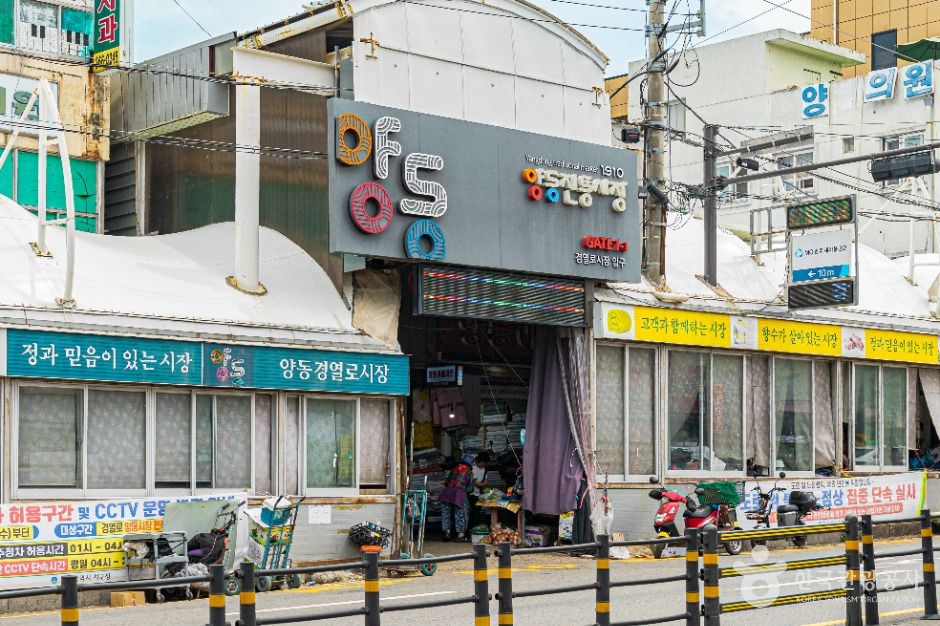
Gwangju: Korea's Best Side Dishes and the City That Changed Its History
Jeolla province is where Koreans go to eat, and Gwangju is its capital. Expect a table full of banchan you didn't order and a city with a serious story to tell.
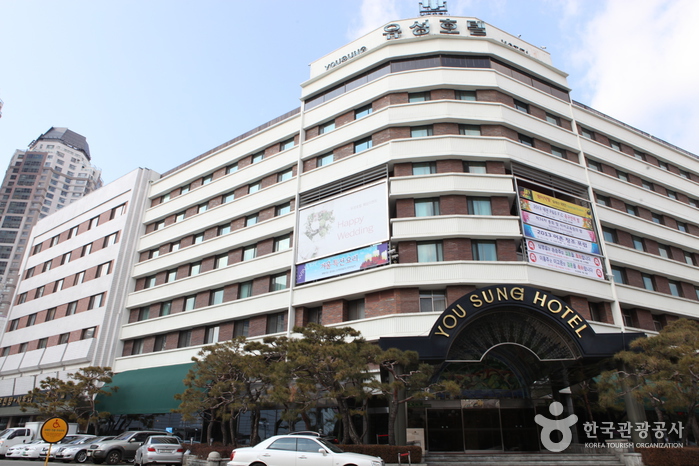
Daejeon: Bread, Hot Springs, and the City Every Korean Passes Through
Daejeon is the crossroads of Korea, and it has one bakery famous enough to justify the trip on its own. Add hot springs, a science city, and a serious grilled-meat culture.
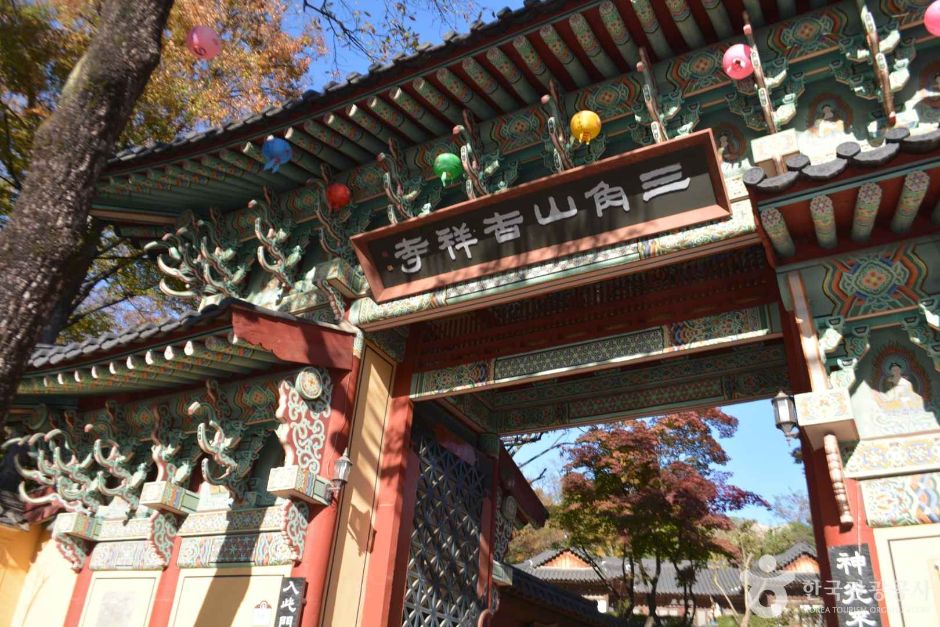
Seongbuk-dong: Embassies, a Temple That Was a Restaurant, and Seoul's Quietest Hills
Ten minutes from Gwanghwamun, Seongbuk-gu has old villas, a mountain fortress wall, one of the most beautiful temples in Seoul, and food priced for residents.
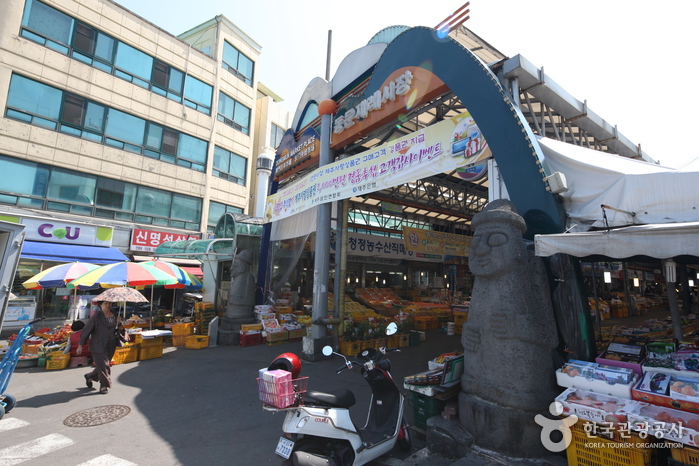
Jeju City: What to Eat Where the Island Actually Begins
Most Jeju trips start and end in Jeju City, and most travelers eat badly there. Dongmun Market, the black pork alley, and the haenyeo kitchens deserve more than a transit stop.
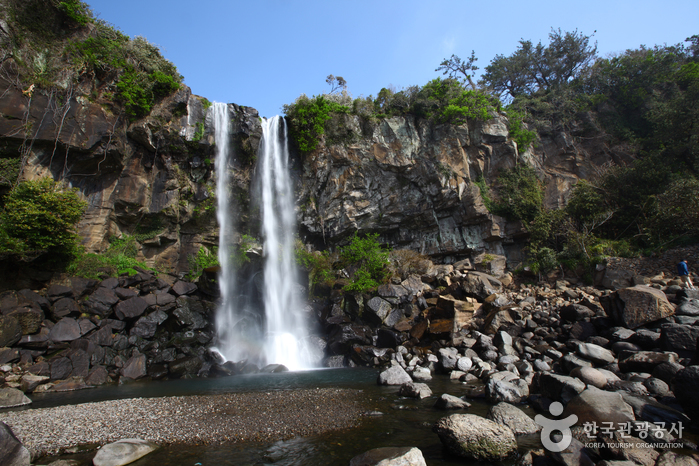
Seogwipo: Waterfalls, Olle Trails, and the South Side of Jeju's Table
Jeju's south coast is warmer, greener, and quieter than the north. Seogwipo has three waterfalls inside the town limits and a food scene built on pork, mackerel, and the sea.
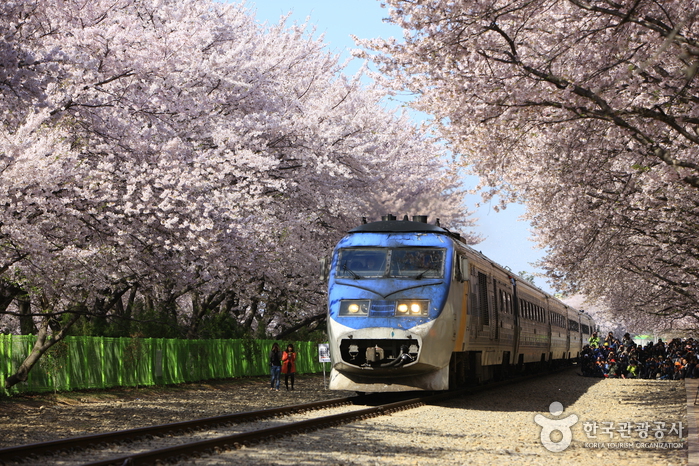
Jinhae & Masan: Korea's Cherry Blossom Capital and the Home of Agujjim
Every April, 350,000 cherry trees turn Jinhae into the biggest blossom festival in Korea. The rest of the year, neighboring Masan quietly serves one of the country's great regional dishes.
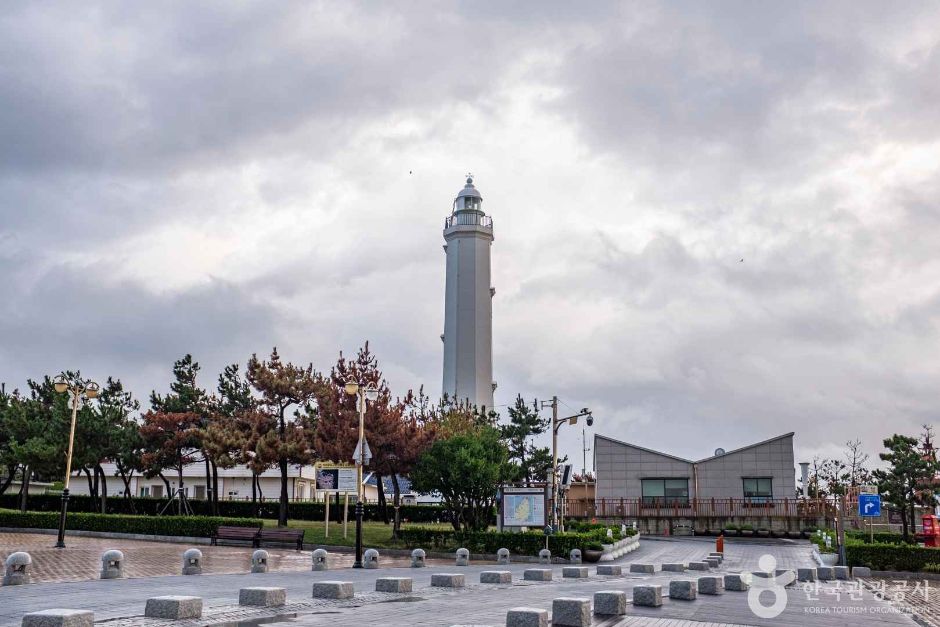
Pohang: Sunrise at the Edge of the Peninsula, and What to Eat There
Korea's easternmost cape, a Japanese-era fishing village, and a steel city with a seafood market. Pohang is the country's sunrise destination and a serious eating town.
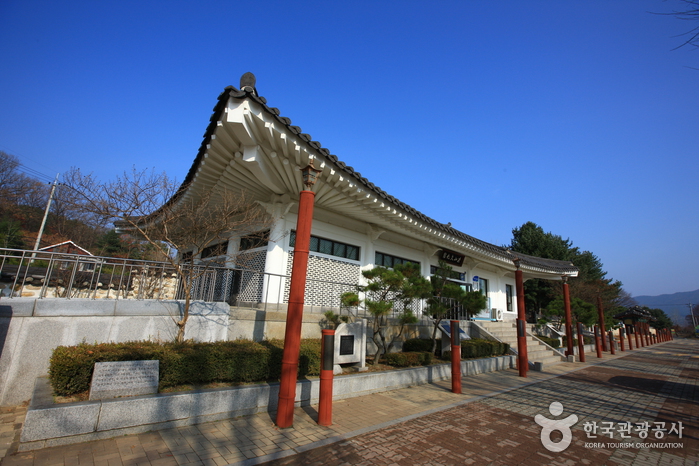
Namyangju & the Two Rivers: The Easiest Escape From Seoul
Forty minutes east of Seoul, the north and south Han rivers meet. There's a famous willow tree, a riverside bike path, a scholar's house, and a lot of very good grilled meat.
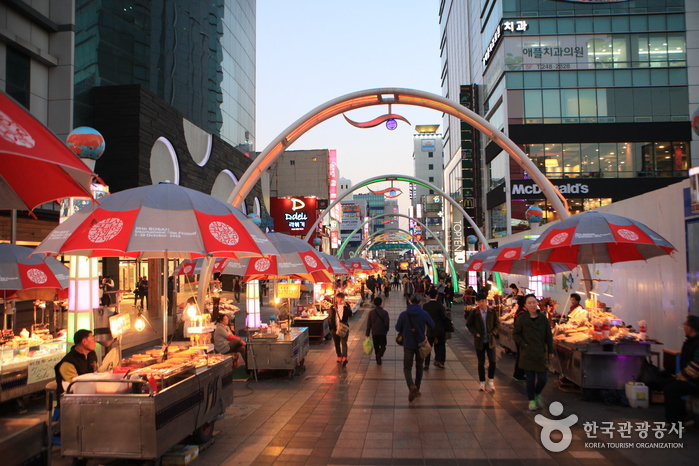
Nampo-dong, Jagalchi & Gukje Market: Old Busan in One Long Walk
Korea's biggest fish market, a market built by war refugees, a film-festival street, and a hill with a tower — all within fifteen minutes of each other, and all worth eating through.
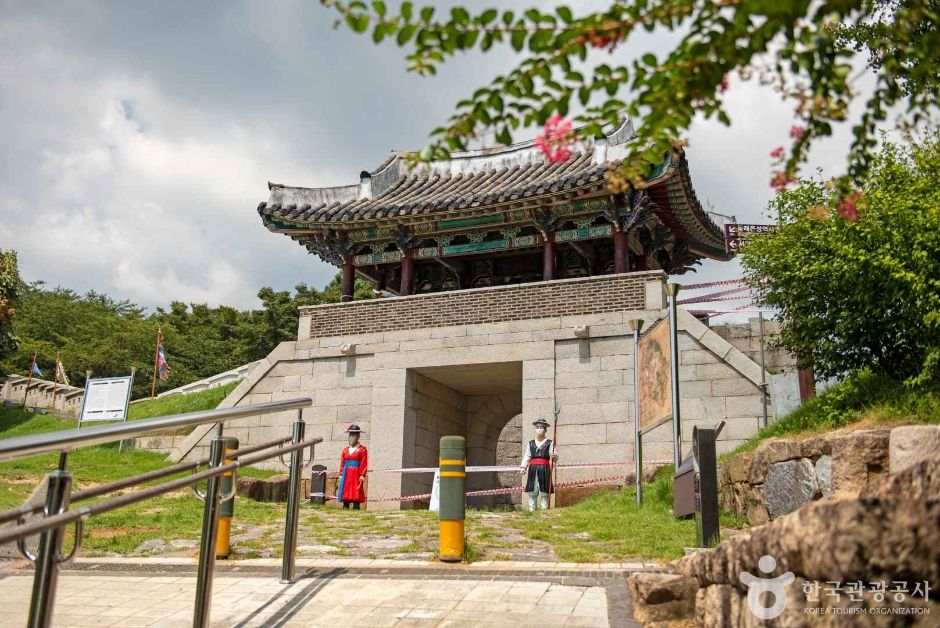
Dongnae & Oncheonjang: Busan's Hot Springs, Fortress Walls, and Grilled Galbi
Before Busan was a port city it was Dongnae — a walled town with hot springs. It's still the best place in the city for a soak, a pajeon, and a plate of charcoal galbi.
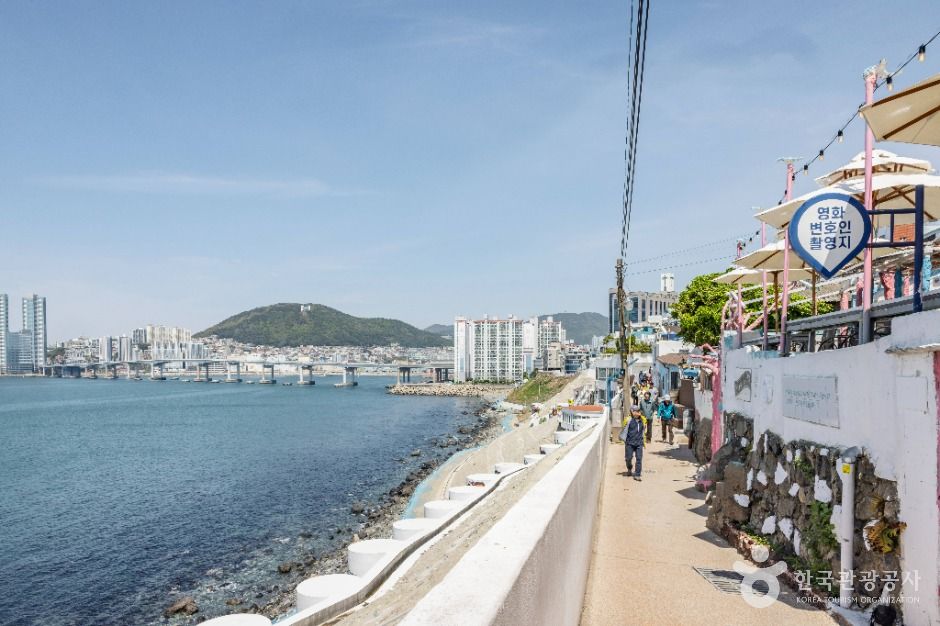
Yeongdo: Busan's Island, the Cliff Village, and Food That Predates the Tourists
A bridge from Nampo-dong takes you to an island of shipyards, sea cliffs, a white-painted village on a ledge, and some of the oldest restaurants in Busan.
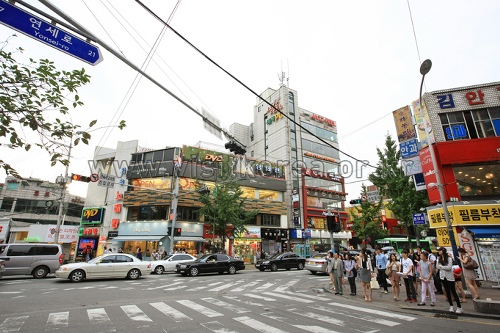
Sinchon & Ewha: Seoul's Original Student Quarter
Before Hongdae there was Sinchon. Seodaemun-gu still has the universities, the cheap late-night food, and a few restaurants that have outlasted every trend around them.
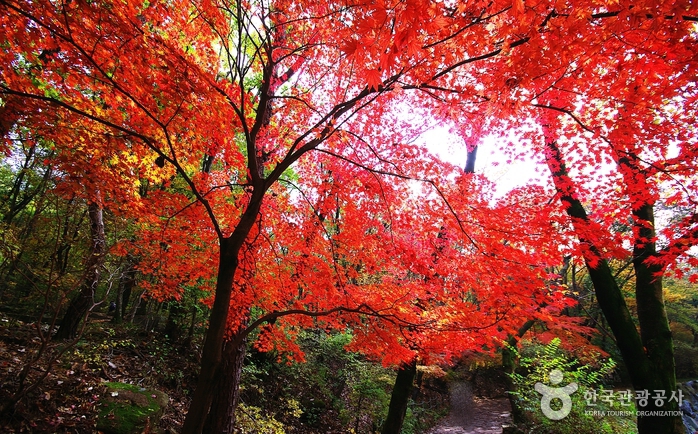
Sillim & Seoul National University: Seoul's Best-Value Eating District
Gwanak-gu feeds a hundred thousand students and exam-takers. That means enormous portions, low prices, and a few shops that have quietly become citywide institutions.
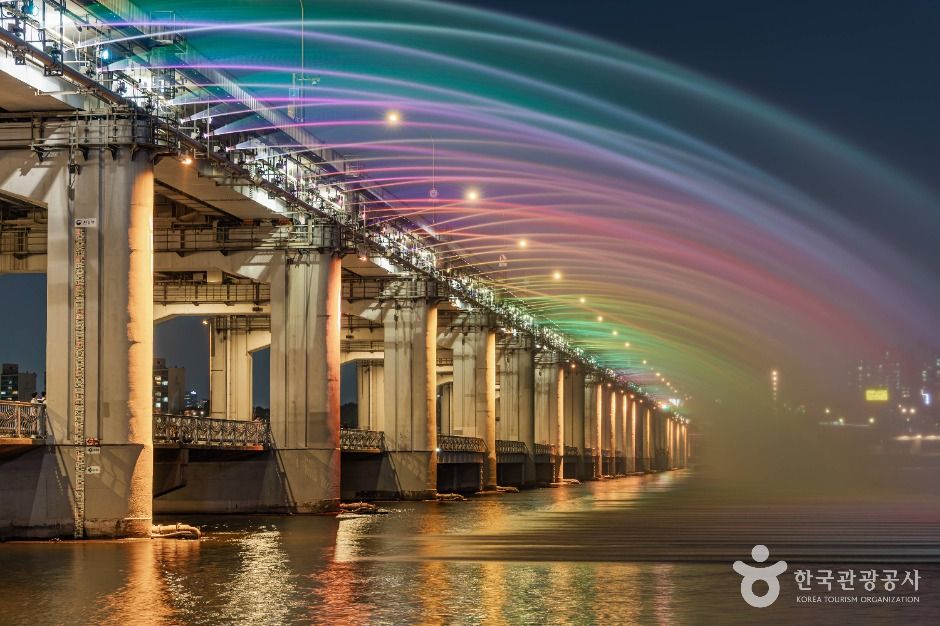
Seocho: Banpo Bridge, the Bus Terminal, and Gangnam Food Without Gangnam Prices
Seocho-gu has the rainbow fountain, Korea's biggest underground shopping mall, the Seoul Arts Center, and a set of old restaurants the district has quietly protected.
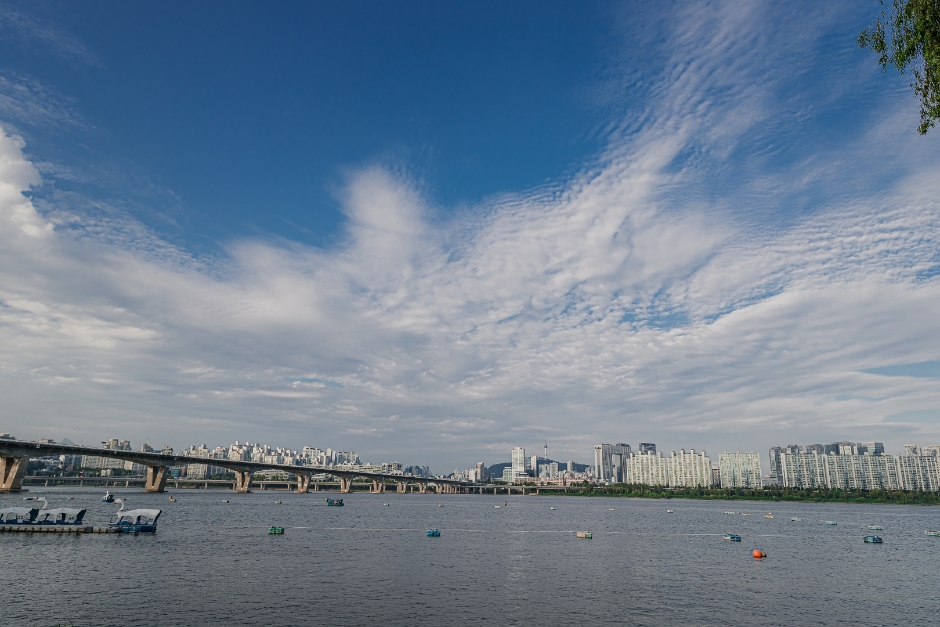
Yeouido & Yeongdeungpo: Riverside Seoul, Cherry Blossoms, and Where the Office Crowd Eats
Yeouido is Seoul's river island — parks, fireworks, cherry blossoms, and the National Assembly. Around it, Yeongdeungpo hides some of the city's most durable old restaurants.
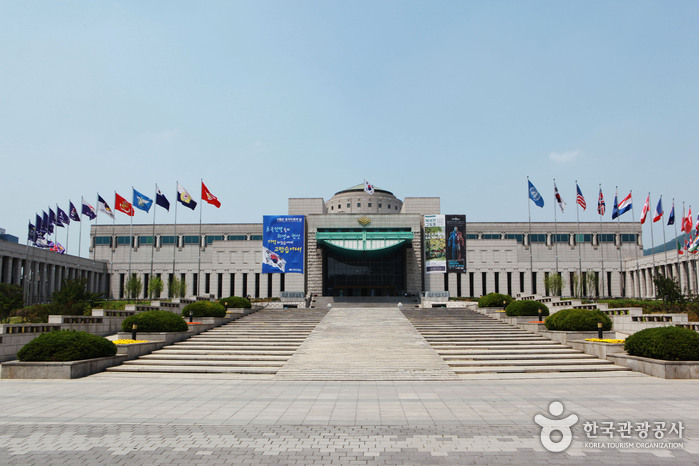
Itaewon, Hannam & Yongsan: Seoul's Most International Neighborhood, Eaten Properly
Yongsan holds Itaewon's global strip, Hannam's design shops and galleries, and some of the most talked-about Korean restaurants in the country. Here's how to eat across it.
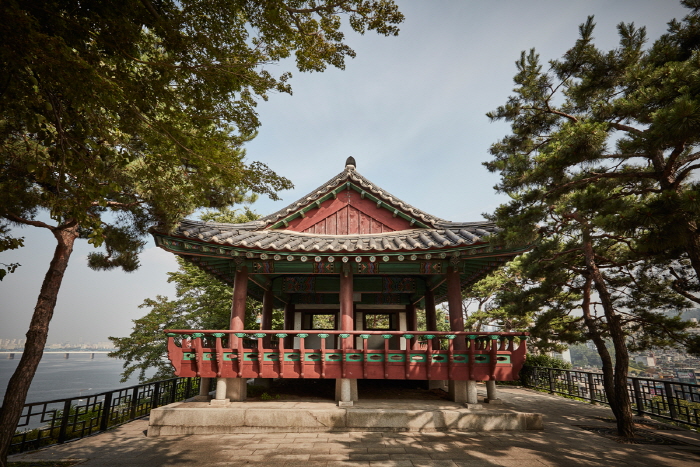
Noryangjin & Dongjak: Seoul's Fish Market and the River's Quiet South Bank
Korea's biggest fish market, a national cemetery, and a student district where nobody is charging tourist prices. Dongjak-gu is the most useful part of Seoul nobody visits.
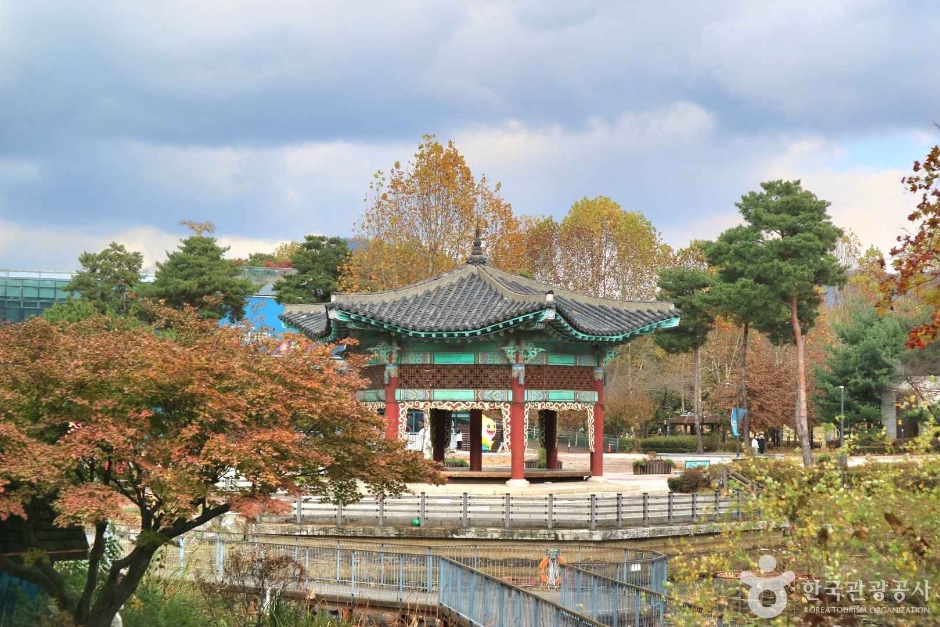
Konkuk University & Gwangjin: The Student Side of the Han River
Gwangjin-gu has a university strip, a free zoo, a mountain with the best sunrise view in Seoul, and a food scene priced for students. Here's how to use it.
A 3-Day K-Pop Fan Itinerary for Seoul (With Real Meals Built In)
Three days that cover the agency buildings, the fan spaces, the filming locations, and the photo spots — organized by district so you spend your time walking, not transferring.

300 Photo Spots in Korea: Where to Shoot, and When
Hanok roofs in Bukchon, Namsan Tower framed by a museum courtyard, the Nokspyeong overpass at blue hour — a guide to Korea's photo locations, each with the hour that actually works.
A Guide to Korea's K-Pop Concert Venues (and Where to Eat Around Them)
KSPO DOME, Gocheok Sky Dome, Goyang Stadium, INSPIRE Arena and the rest — what each venue is like, how to get there, and what to eat before the doors open.

SEVENTEEN Locations in Korea: Jeju's Secret Forest, Hanbando Views, and the Big Venues
A small, high-quality list — the Jeju forest and fortress from Seungkwan's ad, the Hyeopjae beach in Love Letter, the Hanbando viewpoint in Okcheon, and every stadium the tours played.

TWICE Filming Locations in Korea: From Yongma Land to Jeju
The abandoned amusement park from Like OOH-AHH, the Legoland finale of ONE SPARK, the Jeju oreum in SIGNAL, and the TIME TO TWICE sets — 28 real places you can actually visit.
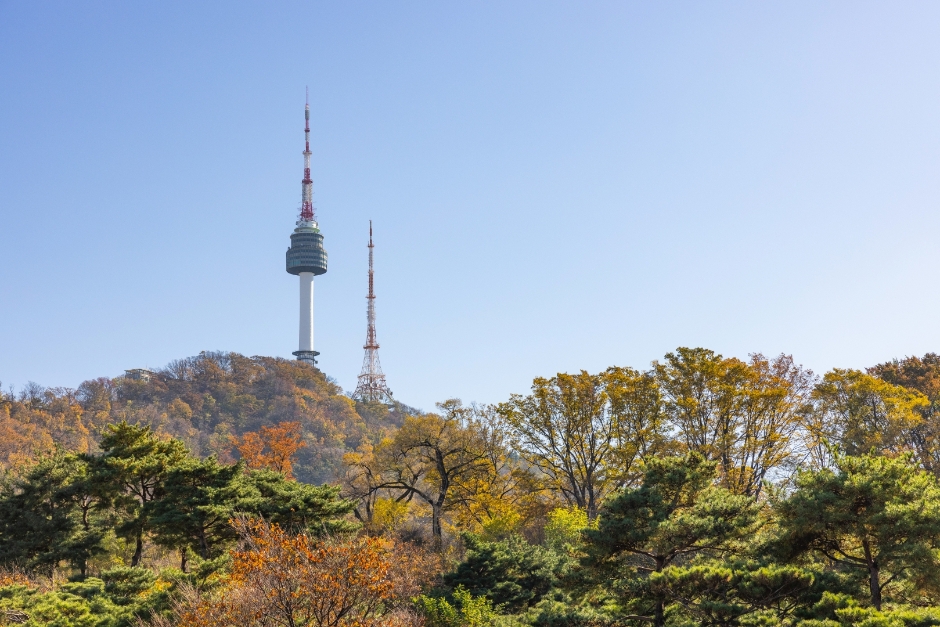
NCT Locations in Korea: KWANGYA Seoul, the Hongcheon Course, and a Busan Day
SM's Seongsu headquarters and KWANGYA SEOUL, Mark's fan bench in Seoul Forest, the NCT LIFE course in Hongcheon, and NCT DREAM's Busan route — 32 places, grouped into real days.
BLACKPINK Locations in Korea: The Mapo Route, Jeju, and Jennie's Seoul
The BLACKPINK HOUSE dorm building, the pottery café, the YG-area fan café, the Jeju episodes, and the Seoul tourism campaign stops — a practical guide to 34 real places.

BTS Beyond Seoul: Busan, the East Coast, Wanju, and Jeju
The Butter beach in Samcheok, Jimin's Busan, the Summer Package hanok in Wanju, and the Jeju coast — the BTS locations worth leaving Seoul for, and what to eat when you get there.

K-Spots in Korea: How to Plan a K-Pop Pilgrimage That Actually Works
Music video sets, album cover beaches, agency buildings, concert domes — Korea is full of places tied to K-pop. Here's how to find them, plan a route, and eat well along the way.
BTS in Seoul: A Walkable Pilgrimage Route (and Where to Eat)
HYBE in Yongsan, the fan-donated benches in Seoul Forest, the palace where IDOL was filmed, and the bookstore RM visited — a realistic one-day BTS route through Seoul.
Lotte World Tower & Jamsil: Sky Views, Seokchon Lake, and Where to Eat
Jamsil pairs Korea's tallest tower and its biggest indoor theme park with a lakeside park and serious food. Here's how to do Lotte World Tower and eat well around it.

Cheongnyangni & East Seoul: Old-School Eats Around Dongdaemun-gu
East of the palaces, Dongdaemun-gu keeps Seoul's old flavors alive — Cheongnyangni's markets, Hoegi's student streets, and decades-old restaurants. Here's where to eat.
Korean Fried Chicken and Beer (Chimaek): A Traveler's Guide
Chimaek — Korean fried chicken and beer — is a national pastime. Here's how to order, the flavors to know, and how to do a proper chicken-and-beer night in Korea.
Halal Food in Seoul: Where and How to Eat
Finding halal food in Seoul is easier than many travelers expect. Here's where to eat, how to read the certifications, and which Korean dishes work for a halal diet.
Korean Convenience Store Food: A Traveler's Survival Guide
Korean convenience stores are a food destination in their own right. Here's what to buy, how to use the hot-water and microwave stations, and the combos locals swear by.
Seomyeon, Busan: The City's Downtown Food and Nightlife Hub
Seomyeon is Busan's beating heart — a dense grid of restaurants, cafés, and bars around the city's busiest junction. Here's how to navigate it and where to eat.
Korean Street Food Guide: What to Order and How to Eat It
Tteokbokki, hotteok, gimbap, twigim — Korean street food is cheap, fast, and everywhere. Here's what to order, where to find it, and how to eat like a local.
Bukchon, Insadong & Gwanghwamun: A Food Guide to Old Seoul
Bukchon's hanok lanes, Insadong's arts alleys, and Gwanghwamun's palace square sit side by side in Jongno. Here's how to see old Seoul and eat the classics around it.
Suwon Hwaseong Fortress and the Home of Suwon Galbi
Suwon pairs a UNESCO fortress wall with Korea's most famous galbi. Here's how to walk Hwaseong Fortress and where to eat the beef short ribs the city is named for.
Vegetarian and Vegan in Korea: A Practical Food Guide
Eating vegetarian or vegan in Korea is easier than it looks once you know the dishes, the hidden animal ingredients, and the phrases that keep meals meat-free.
Daegu's Seomun Market & Old Downtown: A Food Guide to Jung-gu
Daegu is one of Korea's most underrated food cities, and its old downtown around Seomun Market is the heart of it — flat dumplings, fresh beef, and dishes you won't find elsewhere.

Gwangalli Beach, Busan: Sea Views, Cafés, and Where to Eat in Suyeong
Gwangalli is Busan's most relaxed beach — a 1.4km arc of sand framed by the Gwangan Bridge. Here's what to eat around it, from fresh hanwoo and tonkatsu to cafés with a sea view.

Gyeongju: The Ancient Silla Capital and Where to Eat
Gyeongju is an open-air museum — a thousand years of Silla history in royal tombs, temples, and pagodas. Between the sights, here's how to eat in Korea's most historic city.
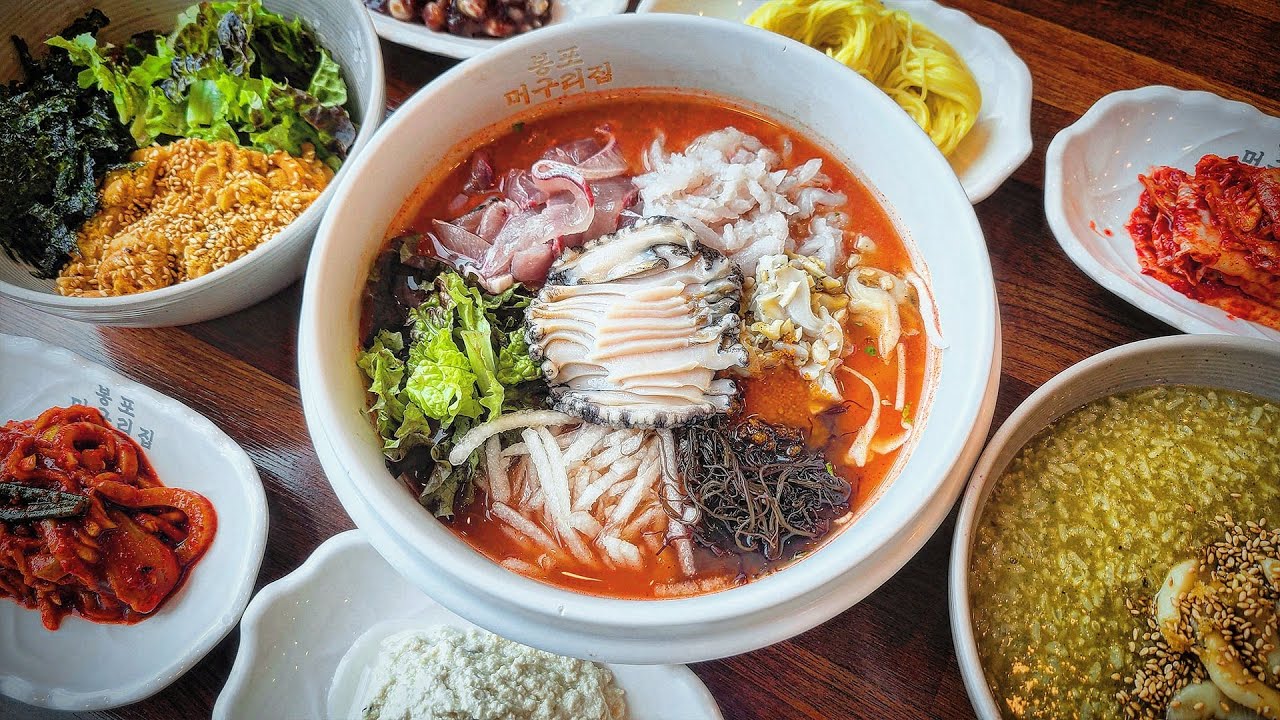
Gangneung & Sokcho: East Sea Seafood, Coffee, and Mountain Air
Korea's east coast pairs the deep-blue East Sea with the Seoraksan mountains. From Sokcho's seafood and Abai village to Gangneung's coffee scene, here's what to eat — with video tours of local spots.
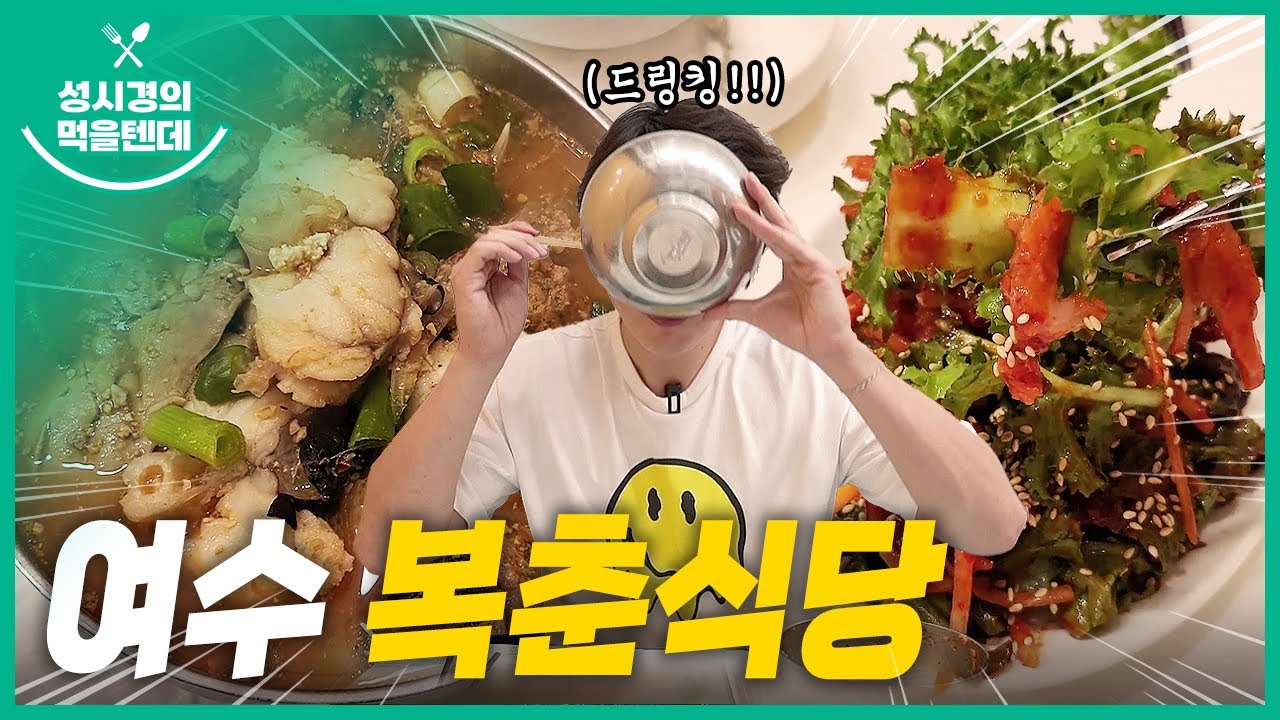
Yeosu: The Night Sea, Gejang, and a Southern Seafood Feast
Yeosu is Korea's romantic port city — a glittering night sea, island bridges, and a seafood culture built on crab, fish, and the famous gat-kimchi. Here's what to eat, with video tours of local spots.
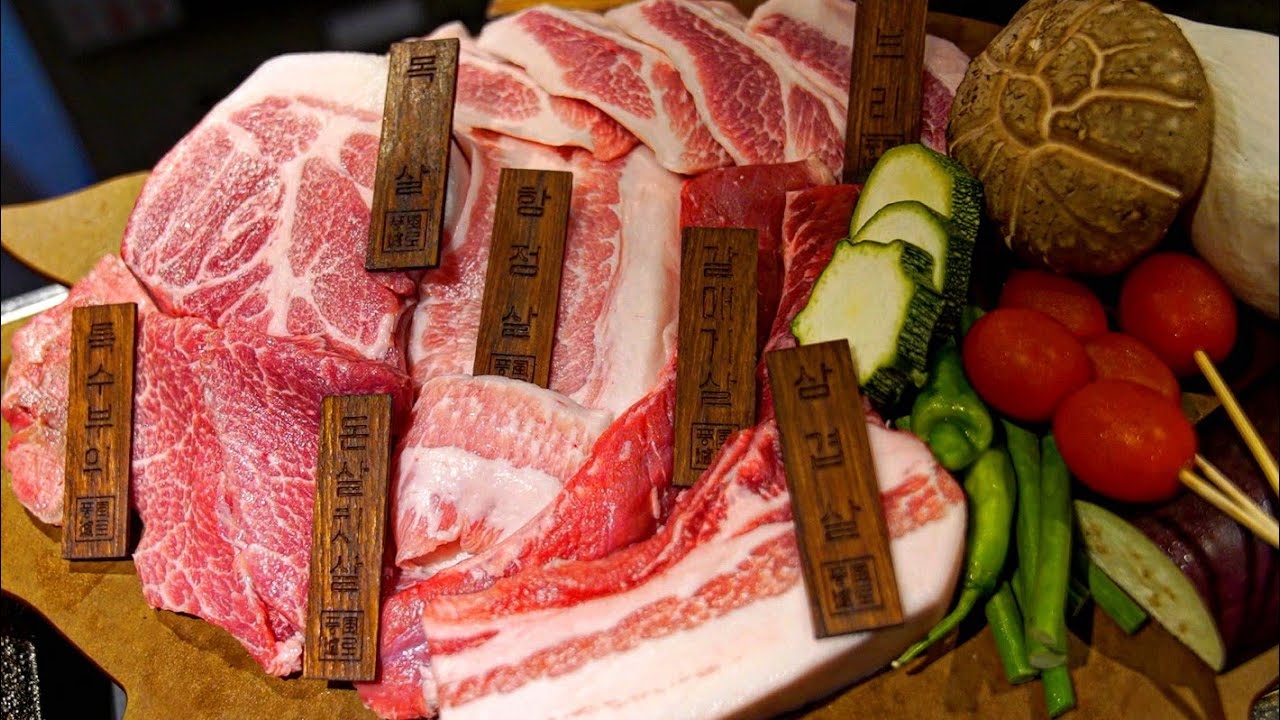
Jeju Food Guide: Black Pork, Donkatsu, and Island Classics
Jeju's volcanic island has a food culture all its own — smoky black pork, ultra-fresh seafood, and one of Korea's most famous pork-cutlet shops. Here's what to eat, with video tours of real island spots.

N Seoul Tower & Namsan: The View Over Seoul — and Where to Eat at the Foot of the Mountain
Namsan and N Seoul Tower sit right in the center of Seoul, a short climb above Myeongdong. Here's how to do the tower and where to eat around its base, from a traditional Korean house to late-night haejangguk.

Jinju: Fortress Views, the Namgang River, and a Distinctive Local Table
Jinju pairs a riverside fortress and Korea's prettiest lantern festival with its own food traditions — from Jinju bibimbap to hearty beef soups. Here's what to eat in this southern city.

Chuncheon: Dak-galbi, Makguksu, and the Gateway to Nami Island
An hour from Seoul by train, Chuncheon is lake country with two signature dishes — fiery dak-galbi and cold buckwheat makguksu — and the launch point for Nami Island.
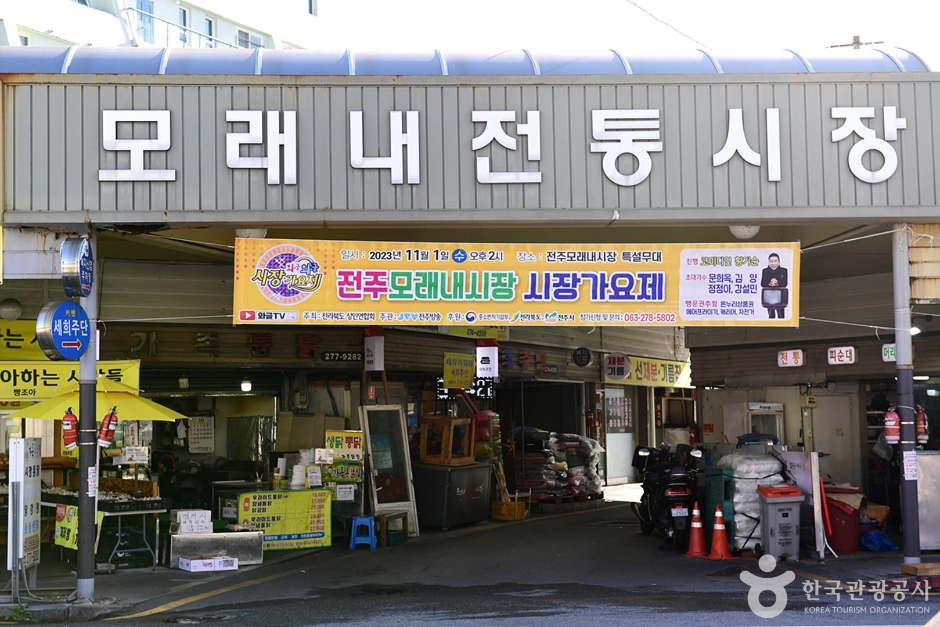
Jeonju Hanok Village: Korea's Food Capital and What to Eat
Jeonju is a UNESCO City of Gastronomy and the home of bibimbap. Between the hanok rooftops, here's how to eat your way through Korea's most food-proud city.
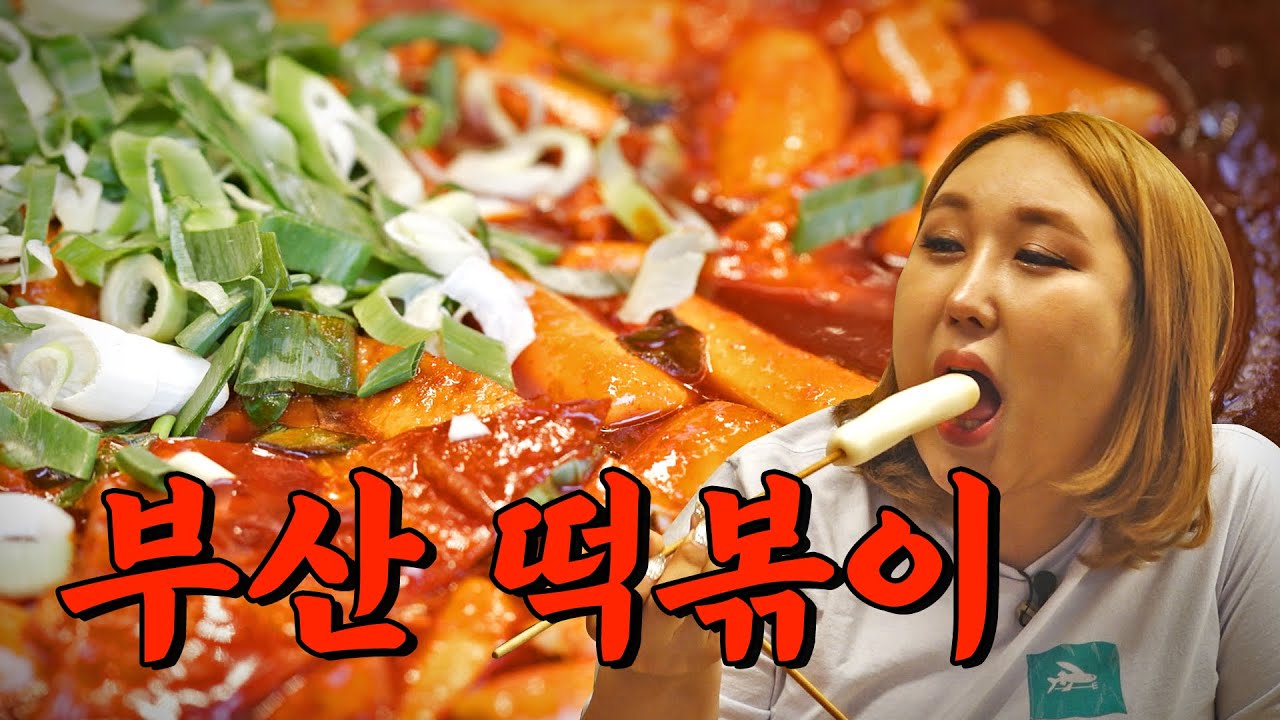
Beyond Seoul: A Regional Food Road Trip Across Korea
Korea's best eating often happens outside the capital — Busan milmyeon, Jeju noodles, Gunsan beef soup, and more. Here's a region-by-region food road trip, with video tours of each stop.
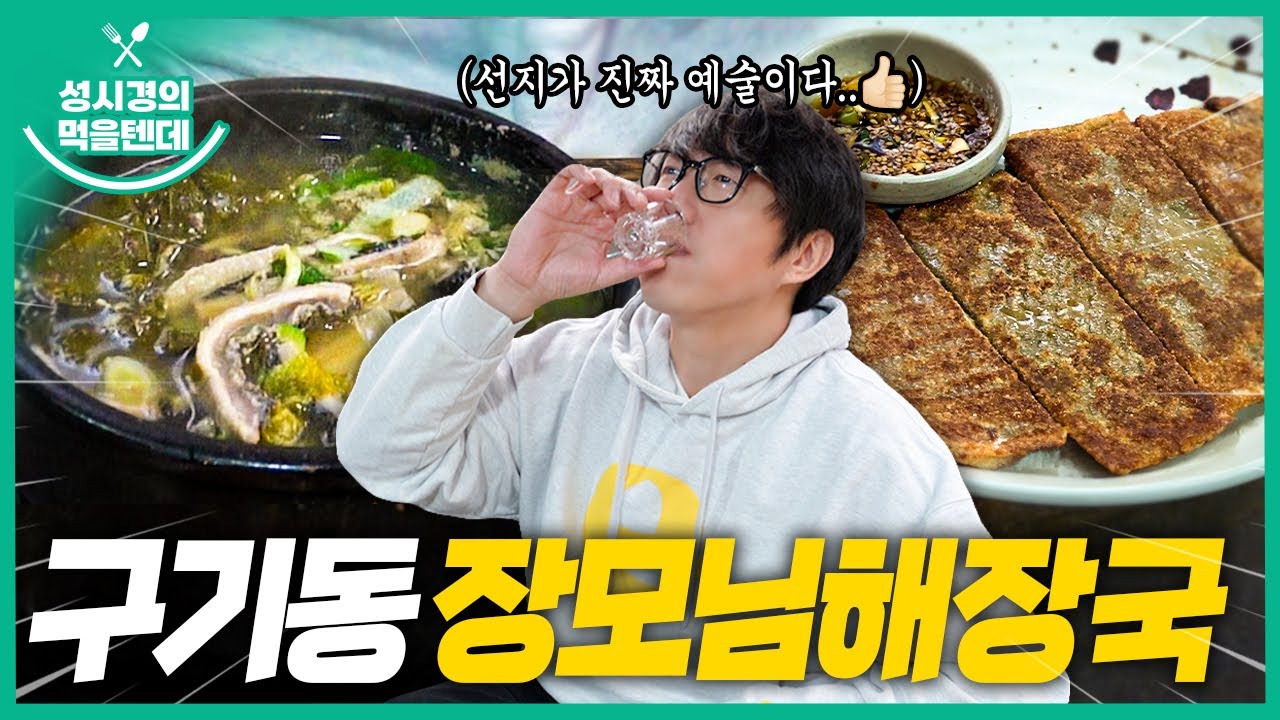
Seoul Comfort Food: A Guide to Gukbap, Haejangguk, and Sundae
Korea's soup-and-rice bowls are cheap, hearty, and open at all hours. Here's how to navigate gukbap, haejangguk, and sundae in Seoul — with video tours of real local spots.
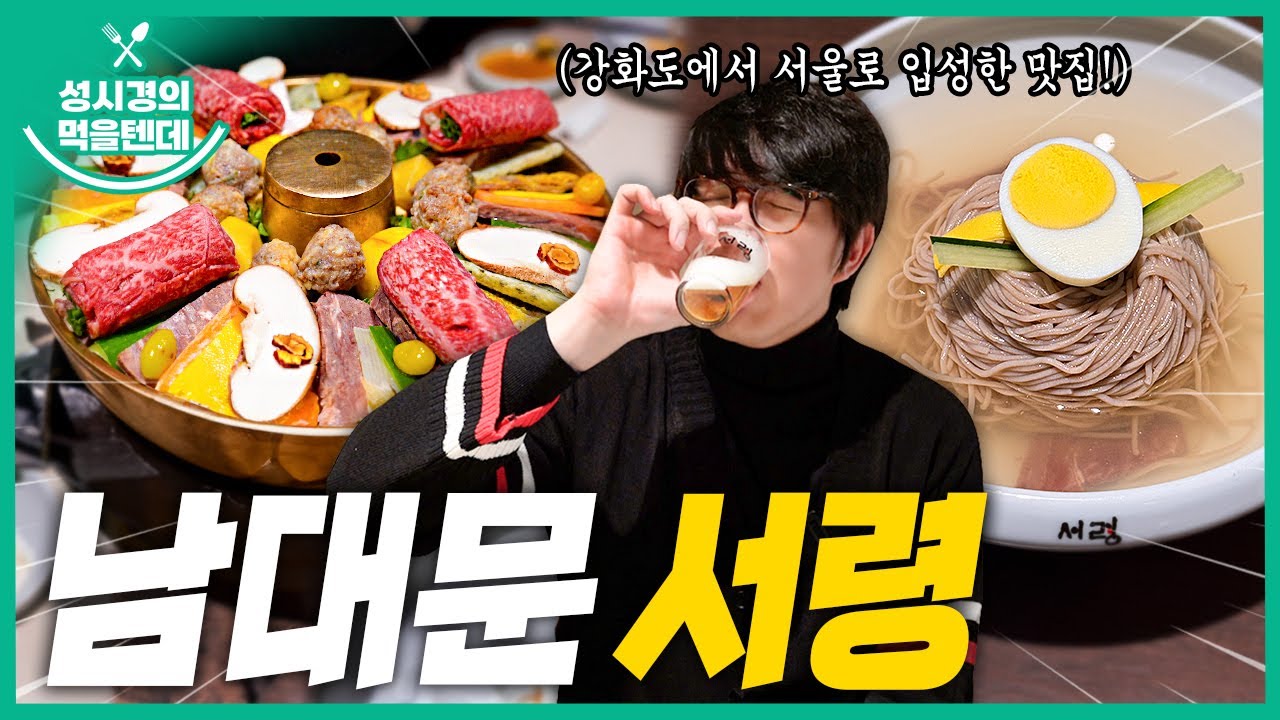
A Noodle Lover's Guide to Seoul: Naengmyeon, Kalguksu, and Udon
From icy cold naengmyeon to hand-cut kalguksu, Seoul is a noodle city all year round. Here's what to order by season — with video tours of real noodle houses.
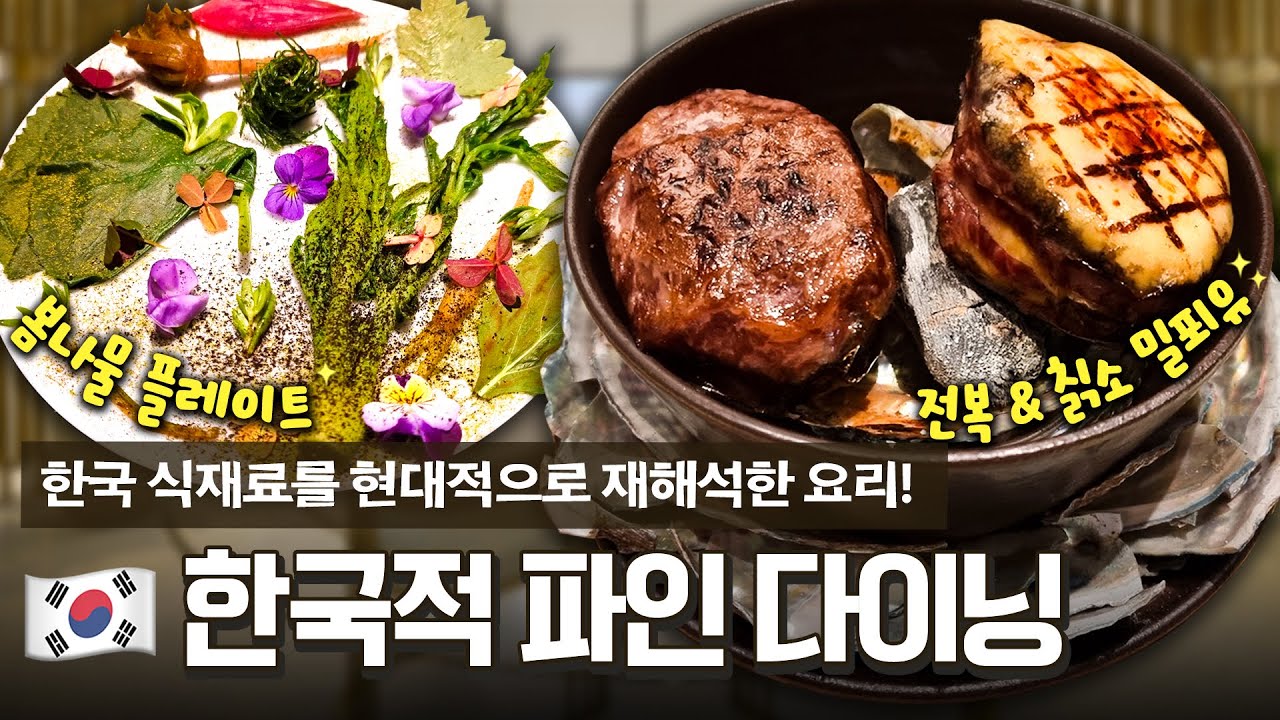
Seoul for a Special Occasion: Michelin, Omakase, and Fine Dining
Celebrating in Seoul? From a Michelin-starred Korean tasting menu to intimate omakase and refined French, here's how to plan a memorable dinner — with video previews of each room.
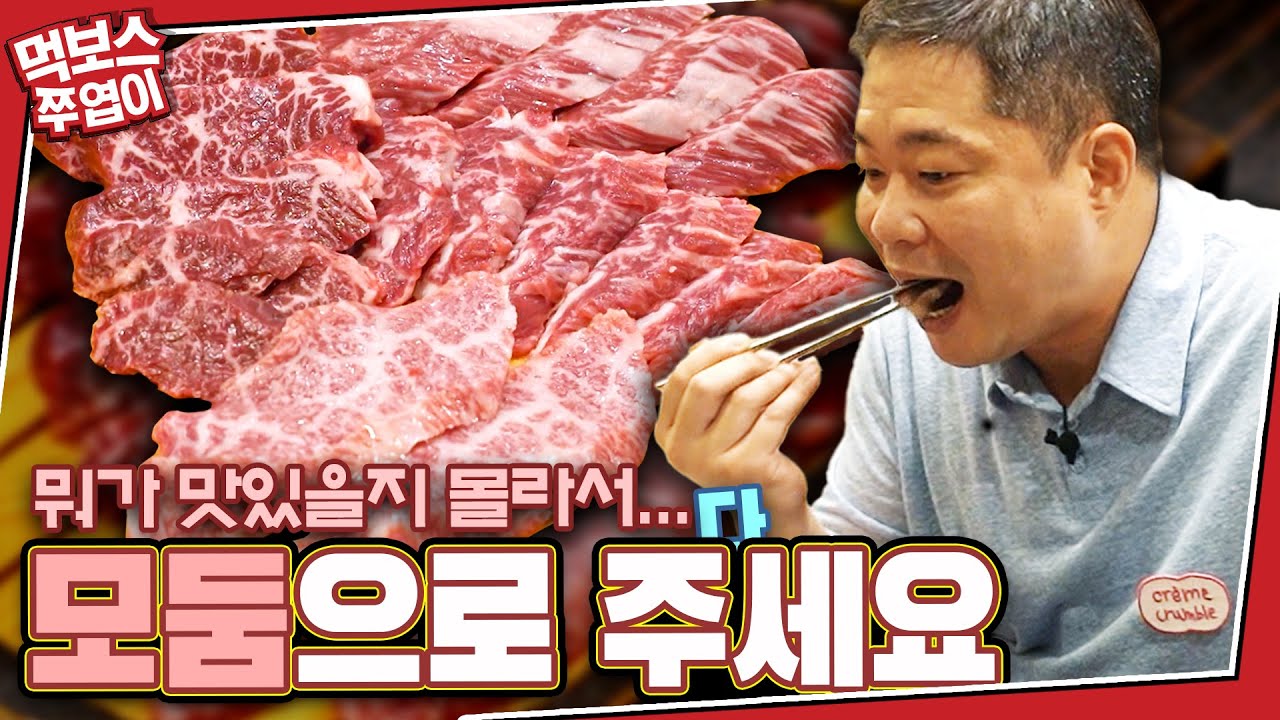
Seoul Korean BBQ Guide: How to Eat Hanwoo Beef Like a Local
Korean BBQ is the meal every traveler comes to Seoul for. Here's how to order hanwoo beef, what the cuts mean, and where to start — with video tours of real Seoul grill houses.
Jeju with Your Dog: A Pet-Friendly Food and Travel Guide
Jeju Island is one of the easiest places in Korea to travel with a dog. Here's how to plan pet-friendly meals, cafés, and coastal stops so no one in your party gets left in the car.
Michelin, Blue Ribbon, Baengnyeon: Korean Restaurant Badges Explained
Korean restaurants advertise a handful of awards and badges that tell locals "this place is good." Here's what each one actually means — and how to use them to eat better.
Hongdae, Hapjeong & Yeonnam: A Food Guide to Seoul's Most Youthful Neighborhood
The Hongdae area is where Seoul goes to eat cheap, eat late, and have fun. Here's how to navigate Hongdae, Hapjeong, and Yeonnam without getting swept up in the crowds.
Busan Haeundae Food Guide: Where to Eat by Korea's Most Famous Beach
Haeundae is more than a beach — it's one of Korea's best seafood neighborhoods. Here's what to eat, where the locals go, and how to plan meals around the sand.
Seongsu Food Guide: Cafés, Brunch, and Trendy Dinners in Seoul's Coolest District
Seongsu turned old factories into Seoul's most stylish eating-and-coffee neighborhood. Here's how to plan a day of cafés, brunch, and dinner without wasting a single stop.
Itanik Garden at Josun Palace: Michelin-Starred Korean Fine Dining Above Gangnam
A Michelin one-star restaurant on the 36th floor of the Josun Palace hotel in Gangnam, serving contemporary Korean cuisine built around native ingredients — the restaurant that reached a national audience through Netflix's Black and White Chef.
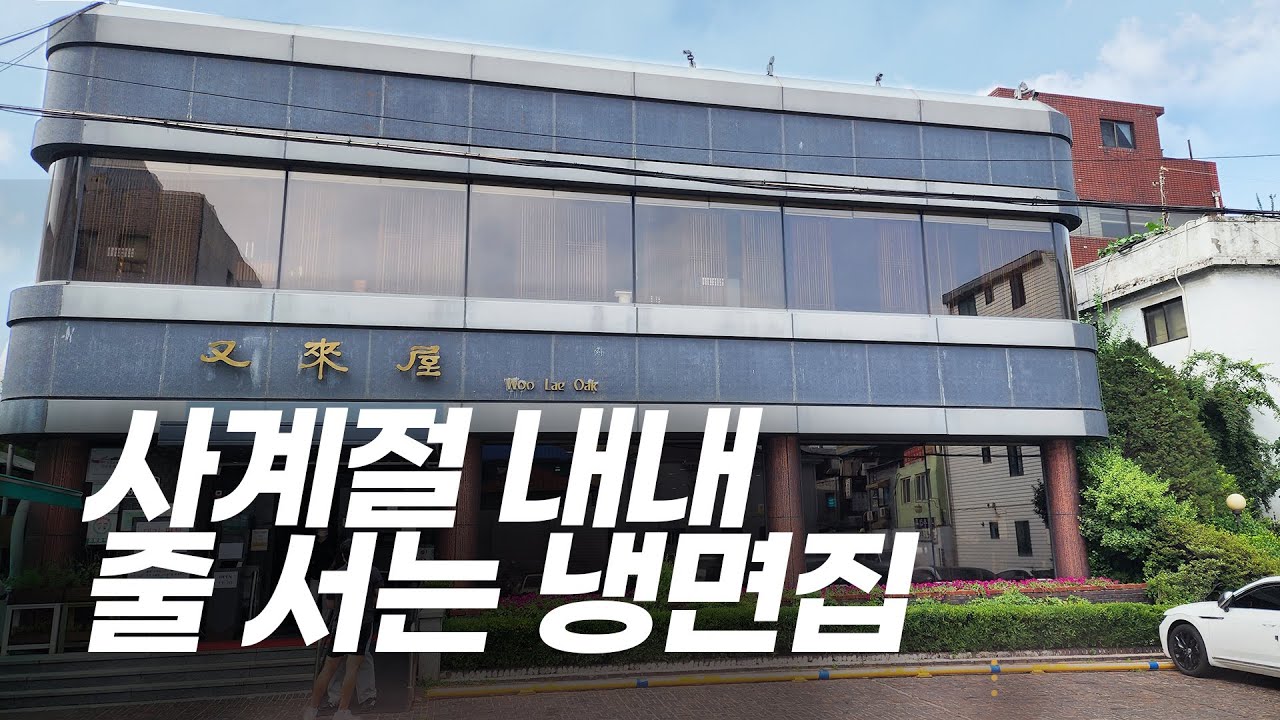
Wooraok in Jung-gu: Seoul's Definitive Pyongyang Naengmyeon, Since 1946
A Michelin Bib Gourmand restaurant in Jung-gu serving Pyongyang-style cold noodles since 1946 — one of Seoul's most direct surviving examples of the postwar naengmyeon tradition.
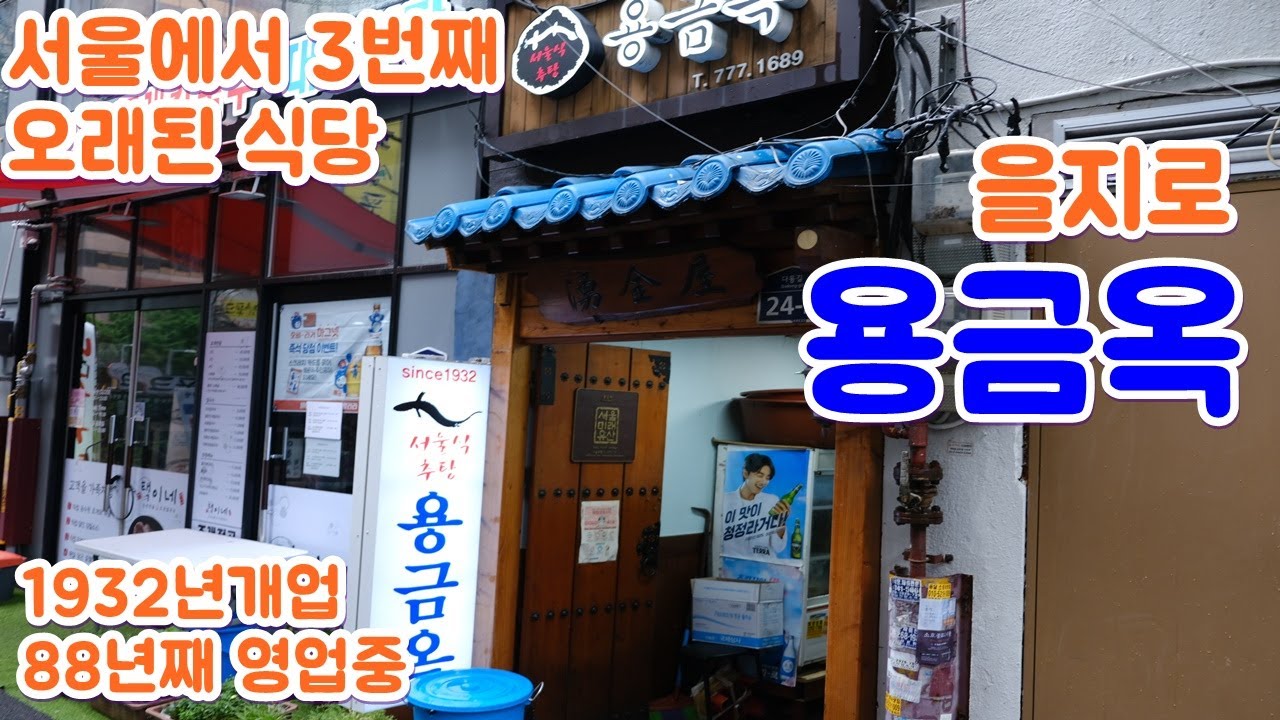
Yonggeumok in Jongno: Seoul's Century-Old Loach Soup Restaurant
A Michelin Bib Gourmand restaurant in Tongin-dong with over a hundred years of history, serving Seoul-style loach soup and fried loach near Gyeongbokgung.
Hongdae, Seoul: The Creative District and What to Eat
The streets around Hongik University have been Seoul's youth culture hub since the 1990s. The main drag is dense and loud — the side streets are where the better meals are.
Myeongdong, Seoul: Where to Actually Eat in Korea's Busiest Shopping District
Every visitor passes through Myeongdong. The street food on the main drag is fine — but the restaurants worth knowing are in the side alleys, some open since the 1930s.
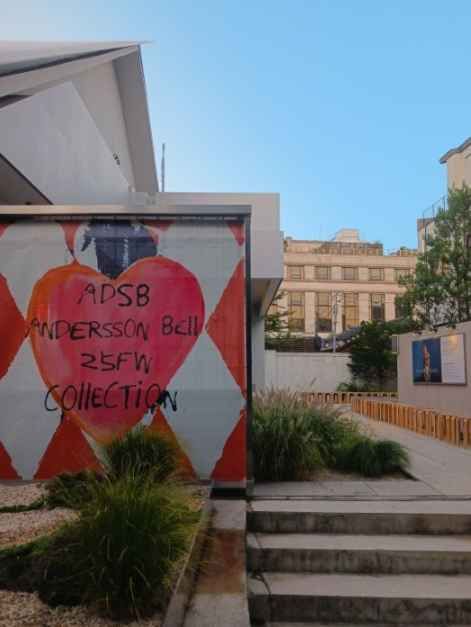
Gyeongbokgung Palace, Seoul: Korea's Greatest Royal Compound — and Where to Eat Nearby
The Joseon Dynasty's largest palace covers 43 hectares in central Seoul. The surrounding neighborhoods — Samcheong-dong and Seochon — have some of the most interesting dining in the city.
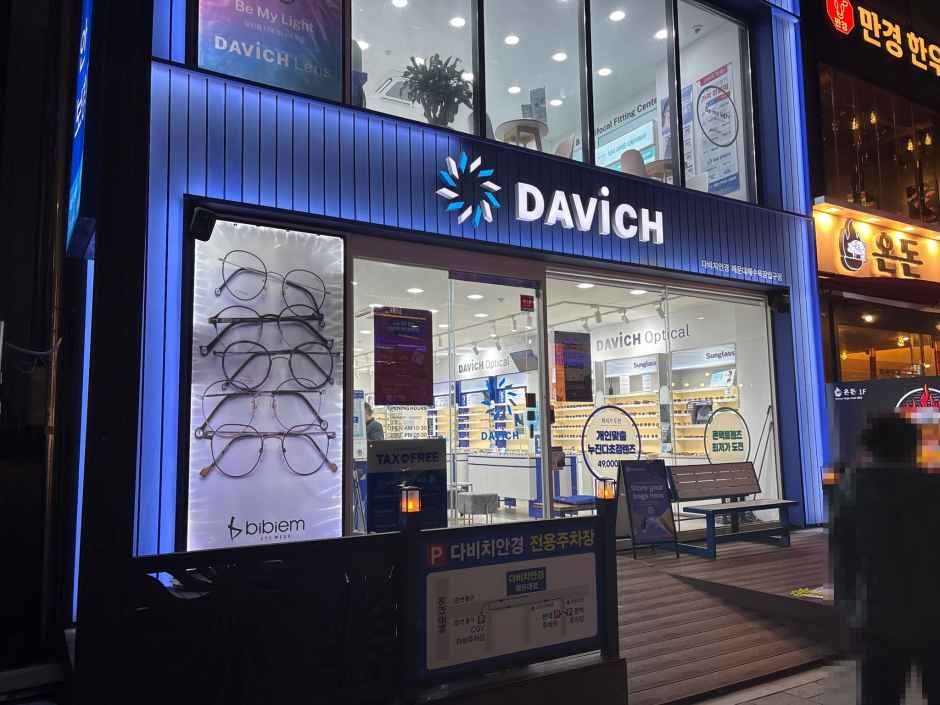
Haeundae Beach, Busan: What to Eat Within Walking Distance
Korea's most visited beach is surrounded by a dense food scene. These five spots are all under 300 meters from the sand.

Incheon's Open Port District: History, Dumplings, and Where to Eat
The neighborhood where Korea met the modern world still has the buildings — and a food scene that reflects the city's layered past.

Samhae Soju in Mapo: Seoul's Oldest Rice Wine — and What to Eat Around It
A 700-year brewing tradition tucked into Mapo-gu. The spot itself is worth the visit, and the surrounding neighborhood has more going on than it looks.
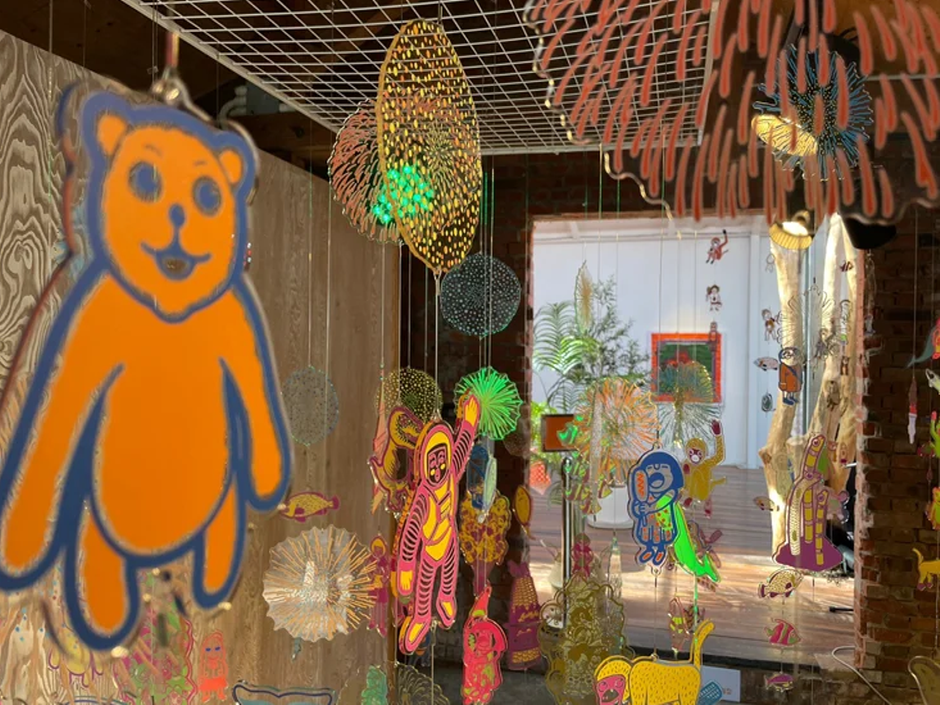
Yangnim-dong in Gwangju: Arts, History, and Where to Eat After
The holly tree courtyard gallery in Gwangju's old missionary district anchors one of the city's most walkable neighborhoods. Here's what to eat when you're done.

Busan Cinema Center: The BIFF Venue and What to Eat in Centum City
The permanent home of the Busan International Film Festival is one of Korea's most striking buildings year-round — and it sits next to one of the city's biggest dining clusters.
Seven Korea Restaurant Picks from the EatHub Database
A data-backed shortlist using ratings, review activity, Michelin, Blue Ribbon, heritage, menu, and media signals.
What Foreign Travelers Need on a Korean Restaurant Page
Names, menus, location clues, opening hours, and local context that make Korean restaurants easier to choose.
How to Use Michelin and Blue Ribbon Lists in Seoul
A practical map-first method for choosing reliable Seoul restaurants without wasting time crossing the city.
How to Build a Korea Food Trip Itinerary
Seven checks for planning meals around trains, tourist areas, opening hours, queue risk, and menu variety.