Yangnim-dong in Gwangju: Arts, History, and Where to Eat After
The holly tree courtyard gallery in Gwangju's old missionary district anchors one of the city's most walkable neighborhoods. Here's what to eat when you're done.
EatHub Data Brief
What this guide is built from
This article is connected to EatHub restaurant records, so readers can move from advice to the live map instead of stopping at a generic list.
- Mapped restaurants
- 5
- Neighborhoods
- 남구, 동구
- Awarded spots
- Check per listing
- Food focus
- 한식, 카페/베이커리
Menu signals: 흑염소, 삼계탕, (매운)돼지찌개, 돼지고기구이, 족발,보쌈
Allergy fields present: chicken, sesame, shellfish, soy, pork
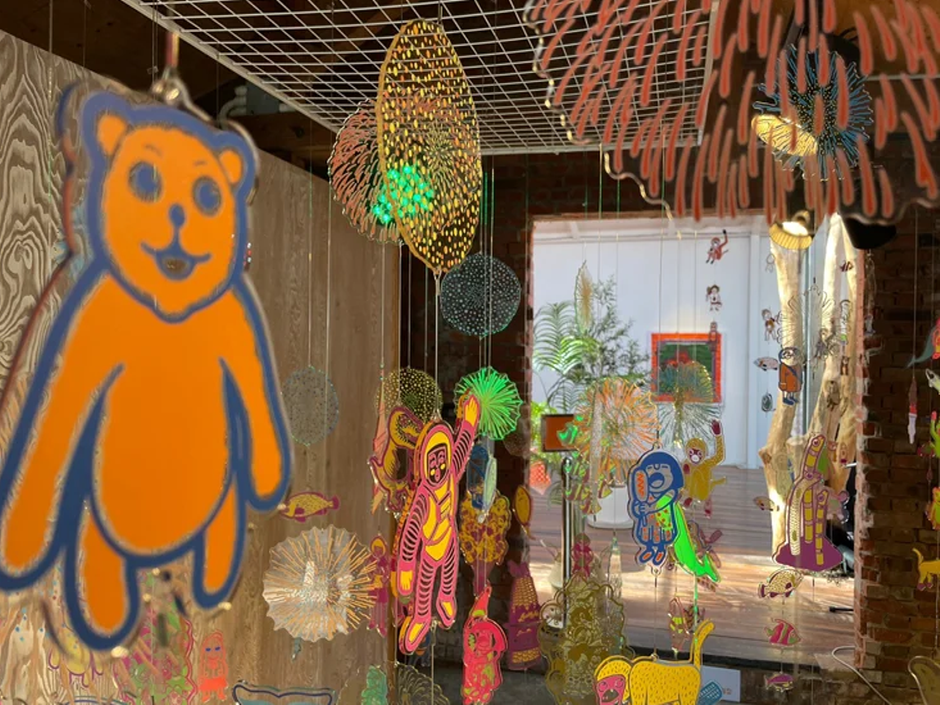
The holly tree in the courtyard of 호랑가시나무 아트폴리곤 is over a hundred years old. It was planted by Western missionaries who came to Yangnim-dong in the late 19th century, and its presence is part of why this neighborhood still feels distinct from the rest of Gwangju. The gallery complex built around it — using buildings that once served the mission hospital and school — hosts contemporary exhibitions, residencies, and events throughout the year.
The Neighborhood
Yangnim-dong is in Nam-gu, about a 15-minute walk from Gwangju Station. The hillside above the city center here held one of Korea's earliest concentrations of Western missionary activity, beginning in the 1890s. The American Southern Presbyterian mission hospital opened here in 1905 and treated civilians during the 1980 Gwangju Uprising — the neighborhood's history layers from the Joseon era through the colonial period, through the democratization movement, to its current life as a quiet arts district.
The architectural mix is genuinely unusual: Romanesque mission-style stone buildings alongside Korean traditional houses and small 1960s commercial storefronts. Walking the full area takes about an hour at a relaxed pace.
Check the gallery's current programming before you visit. When there's no major exhibition, the courtyard alone — the tree, the converted buildings, the hillside views over the city — makes the visit worthwhile.
What Gwangju Eats
Gwangju is the cultural capital of Jeolla Province, which means the food here is different from Seoul and Busan. Jeolla cuisine is known for richer fermentation, more complex side dishes, and regional specialties that rarely appear elsewhere in Korea — 홍어 (fermented skate), 보쌈 (steamed pork with kimchi), 흑염소 (black goat), and what many consider the country's best kimchi. The restaurants near Yangnim-dong reflect this tradition directly.
Where to Eat
내고향흑염소 — 484m
Black goat (흑염소) is a Jeolla specialty that doesn't travel. The goat is slow-cooked — either as soup (탕) or braised (볶음) — until the meat is tender and the broth carries concentrated, savory depth. The flavor is stronger and more mineral than beef or pork, which is either exactly the point or a deterrent depending on your tolerance for pronounced animal flavors. For food travelers who want to eat something genuinely regional and uncommon elsewhere in Korea, this is the place to do it.
엄마네돼지찌개 — 735m
Pork jjigae (돼지찌개) — pork stew in a fermented paste broth — made in the home-cooking style. The name means "Mom's pork stew," which accurately sets expectations: no theater, no elaborate presentation, just a bubbling pot of comfort food at neighborhood prices. The portions are generous and the side dishes are what Jeolla side dishes should be — more of them, more complex, more fermented than you'd get in Seoul.
맛삼 — 957m
Korean cuisine restaurant in Dong-gu, a short walk toward the city center. Set meals with rice, soup, and rotating side dishes. The pace is slower than most Seoul restaurants. This is appropriate for Gwangju — a good meal here is not a fast one.
광주보쌈 — 990m
Bossam (보쌈) is steamed pork served cold, sliced thin, and wrapped in salted cabbage with fermented pastes, oysters, and condiments assembled at the table. In Jeolla cooking, the pork is often fattier than the Seoul versions and the accompaniments more layered. 광주보쌈 runs this dish as the main event. The format is communal — order one portion, wrap your own, add the condiments you want. A good group dish.
꾸꾸붕어빵 — 1.2km
Fish-shaped pastries (붕어빵) filled with sweet red bean paste, cooked in cast iron molds. Gwangju has a particular tradition with bungeoppang, treating it as more of a local craft than a generic convenience food. Worth getting on the walk between the gallery and the city center. Not a meal — a snack.
Practical Tips
- Yangnim-dong's restaurants are neighborhood-facing, not tourism infrastructure. Some may have limited hours or close on specific days. Call ahead for the specialty restaurants.
- The gallery (호랑가시나무 아트폴리곤) is generally open Tuesday–Sunday; check current hours on their website before visiting.
- 흑염소 is best ordered as a group dish — the portions are designed for sharing.
- Gwangju is a viable day trip from Busan by KTX (about 1 hour 20 minutes) or a worthwhile overnight stop when traveling between Seoul and the southern coast.
Getting There
Walk from Gwangju Station (approximately 15 minutes on foot) or take a short taxi (5 minutes). The neighborhood is hilly — comfortable walking shoes matter. From the station, head south toward Nam-gu and follow signs for Yangnim-dong.
Find These Restaurants on EatHub
Trip Planning FAQ
How should I use this Yangnim-dong in Gwangju: Arts, History, and Where to Eat After guide on a trip?
Use the article to narrow your shortlist, then open the linked EatHub map listings to check location, hours, menu context, and nearby areas before you travel.
Do I need a reservation?
For popular Seoul restaurants, award-listed spots, and dinner-time Korean BBQ, booking ahead is safer. If a listing has phone or hours data, confirm before visiting.
Can I use this guide if I have food allergies?
EatHub shows allergy fields when they are available, including chicken, sesame, shellfish, soy, pork in this guide. Always confirm ingredients with the restaurant before ordering.
What should I compare before choosing a restaurant?
Compare route fit, budget, menu, and timing. This guide includes signals such as 남구, 동구 and 한식, 카페/베이커리.