Daejeon: Bread, Hot Springs, and the City Every Korean Passes Through
Daejeon is the crossroads of Korea, and it has one bakery famous enough to justify the trip on its own. Add hot springs, a science city, and a serious grilled-meat culture.
EatHub Data Brief
What this guide is built from
This article is connected to EatHub restaurant records, so readers can move from advice to the live map instead of stopping at a generic list.
- Mapped restaurants
- 6
- Neighborhoods
- 중구, 서구
- Awarded spots
- Check per listing
- Food focus
- 한식, 일식
Menu signals: 튀김소보로, 부추빵, 두부두루치기, 직화석쇠구이, 오징어두루치기+칼국수사리, 칼국수
Allergy fields present: eggs, gluten, soy, sesame, shellfish
Daejeon is where Korea's railways cross. It's roughly an hour from Seoul by KTX, an hour from Busan, and it grew from a railway junction into the country's fifth city and its research capital — KAIST, the government complex, and a whole district of state institutes are here.
Travelers skip it, and for years that was reasonable. It isn't any more, largely because of a bakery.
The bakery
Daejeon's most famous export is Sungsimdang, a bakery founded in 1956 by a refugee family from the north who started with a steamed-bun cart outside the station. It is now a genuine phenomenon: a main store near the old downtown with a queue that runs down the street, a signature fried-and-cream-filled twigim soboro, and a chive-and-vegetable bread that Koreans carry back to Seoul by the boxful.
It has refused to open branches outside the city, which is precisely why the trip exists. Go, queue, buy more than you meant to.
What else to do
- Yuseong Hot Springs. A spa district in the west of the city with genuine alkaline spring water, large public bathhouses, and a free public foot bath in the street.
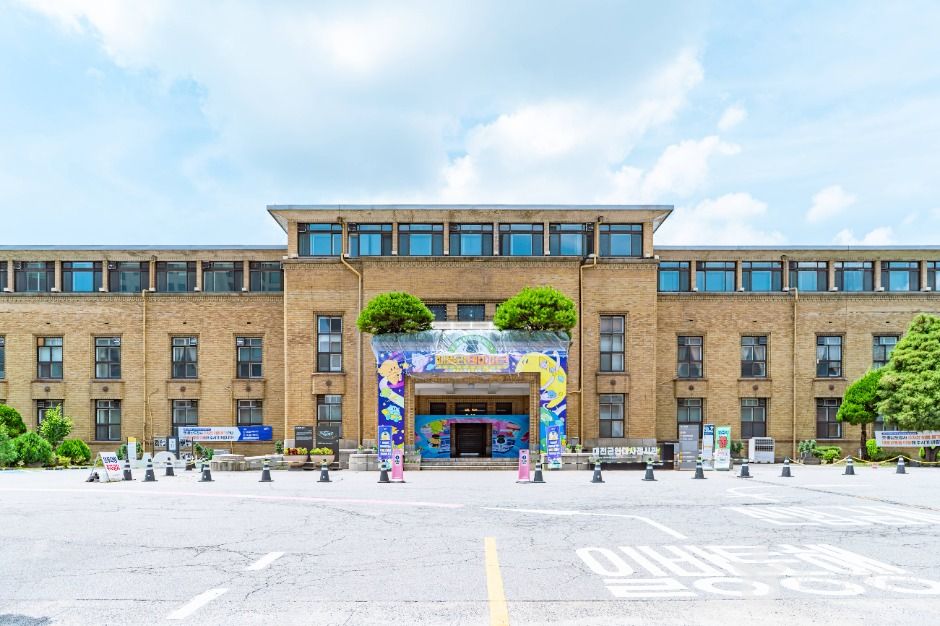
- Daejeon Modern History Exhibition Hall, in the former South Chungcheong provincial office — a good, small museum in a fine 1930s building.
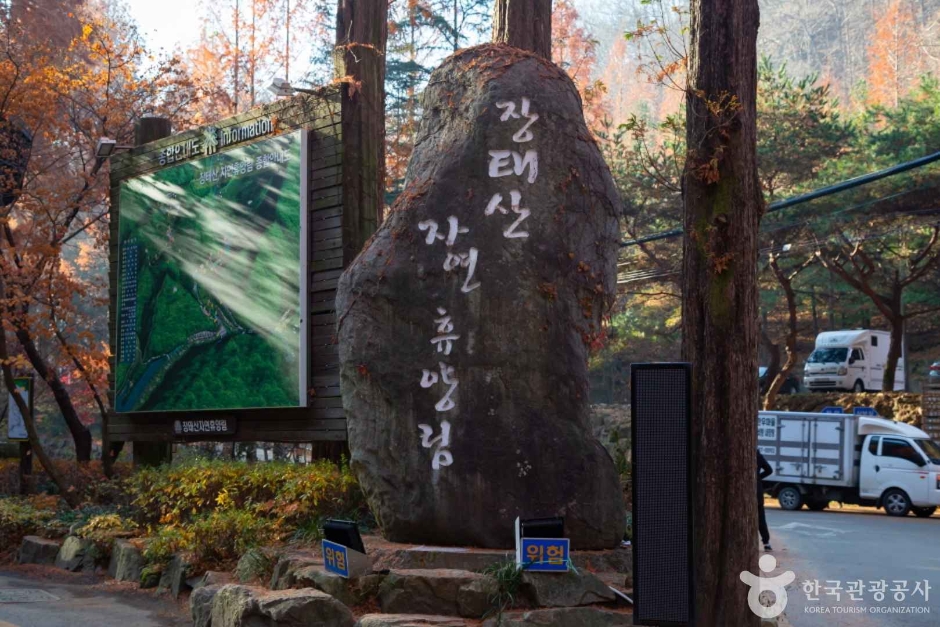
- Jangtaesan Recreational Forest, with a metasequoia grove and a skywalk among the treetops, half an hour from the center.
- Expo Science Park and the Hanbit Tower, left over from the 1993 Expo, plus the National Science Museum.
- Daecheong Lake and the Bbijjari-gil trail along its edge.
What to eat
Daejeon's food identity is often described locally as bread, dumplings, and grilled meat, plus a set of dishes invented near the station for travelers with an hour to kill:
- Dubu durupchigi. Stir-fried pork with tofu in a chili sauce — a Daejeon original, eaten with makgeolli, invented in the old downtown drinking alleys.
- Sutbul galbi and dolsam-gyeopsal. The city has a strong charcoal grill culture and prices well below Seoul's.
- Kalguksu. Daejeon is one of Korea's noodle towns; the anchovy-broth hand-cut noodle shops here have long followings.
- Naengmyeon and gomtang around the old market.
- Sushi and hoe. Landlocked, but the city's raw fish restaurants are supplied daily and priced accordingly.
- Sungsimdang, again. Buy the twigim soboro and the buchu bread.
Practical tips
- Getting there: KTX to Daejeon Station (about 1 hour from Seoul). The old downtown is right outside; Yuseong is a subway ride west.
- Sungsimdang's main store queue is shortest early in the morning on a weekday. Baked goods sell out through the day.
- Yuseong's public foot bath is free and open to anyone walking past.
- Daejeon works as a stopover. Two hours between trains is enough for the bakery and lunch.
- The city's subway is a single line, so plan around buses or taxis for anything off it.
Each restaurant below has a video on its EatHub page — useful in a city where the reputations are local and the signage is entirely Korean.
Find These Restaurants on EatHub
Trip Planning FAQ
How should I use this Daejeon: Bread, Hot Springs, and the City Every Korean Passes Through guide on a trip?
Use the article to narrow your shortlist, then open the linked EatHub map listings to check location, hours, menu context, and nearby areas before you travel.
Do I need a reservation?
For popular Seoul restaurants, award-listed spots, and dinner-time Korean BBQ, booking ahead is safer. If a listing has phone or hours data, confirm before visiting.
Can I use this guide if I have food allergies?
EatHub shows allergy fields when they are available, including eggs, gluten, soy, sesame, shellfish in this guide. Always confirm ingredients with the restaurant before ordering.
What should I compare before choosing a restaurant?
Compare route fit, budget, menu, and timing. This guide includes signals such as 중구, 서구 and 한식, 일식.