Gunsan: Korea's Best-Preserved Colonial Port, and a Bakery Worth the Train
A rice-export port under Japanese rule, Gunsan kept its 1930s streets. Today it's a walkable film-set of a town with a hundred-year-old Chinese restaurant and Korea's most famous bread.
EatHub Data Brief
What this guide is built from
This article is connected to EatHub restaurant records, so readers can move from advice to the live map instead of stopping at a generic list.
- Mapped restaurants
- 6
- Neighborhoods
- 군산시
- Awarded spots
- Check per listing
- Food focus
- 중식, 한식
Menu signals: 중식당, 소고기뭇국, 한식
Allergy fields present: gluten, pork, shellfish, soy, beef
Gunsan is a port on the west coast that most Korean cities would rather not have been. Under Japanese rule it was the harbor through which Korean rice was shipped to Japan, and the town was built accordingly — customs house, banks, warehouses, Japanese residential quarters. When Korea rebuilt after the war, Gunsan's economy stalled, and the buildings simply stayed.
The result is the most complete surviving early-twentieth-century townscape in the country, and a city that has decided to interpret it honestly rather than prettify it.
The walk
Everything is within about two kilometers of the old harbor:
- The former Gunsan Customs House (1908), a red-brick Western-style building on the waterfront, and the Modern Architecture Exhibition Hall in the old Bank of Chosen branch next to it.
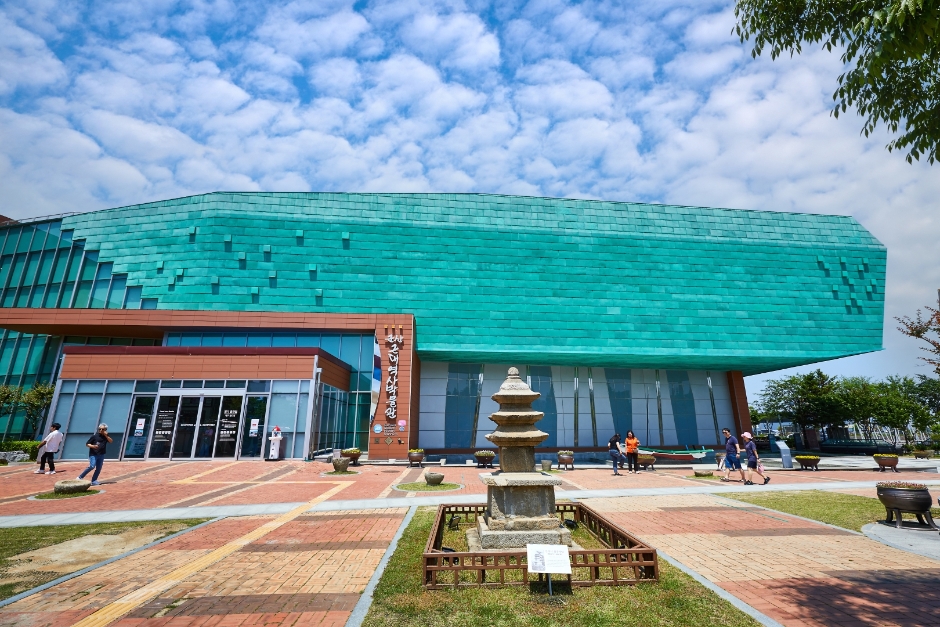
- Gunsan Modern History Museum, which sets out the port's history plainly, including what the rice trade meant.
- Dongguksa, the only surviving Japanese Buddhist temple building in Korea, in its original wooden form.
- Sinheung-dong, the old Japanese residential quarter, including the Hirotsu house, and the Mallaengyi Village on the hillside above it.
- Gyeongam-dong Railroad Village, a disused freight line running between two rows of houses — the track is now a walkway with shops selling snacks and old-school souvenirs.

What to eat
Gunsan punches far above its size, and three things in particular:
- Jjamppong. Gunsan is one of the great jjamppong towns in Korea, and its most famous shop draws queues from before opening. The style here is heavy on seafood and pork, with a broth that people genuinely argue about.
- A hundred-year-old Chinese restaurant. The city holds one of the oldest surviving Chinese-Korean restaurant buildings in the country — a two-storey wooden hall that is registered as cultural heritage and still serving. Eating there is the single most Gunsan thing you can do.
- Bread. Gunsan's bakery culture is famous nationally, built on a shop that has been making vegetable bread and red-bean pastries since the 1940s. Expect a queue and a tray.
- Ubangnak-style beef soup and baekban. Long-running set-meal restaurants where the table fills with seafood banchan — this is Jeolla province, after all.
- Jokbal and drinking food around the old market.

Practical tips
- Getting there: about 2h40m from Yongsan by train to Gunsan Station, then a bus or taxi into the old town. Express buses from Seoul take around 3 hours.
- The old town is compact and flat. Walk it; don't drive.
- The famous jjamppong shop sells out, often by early afternoon. Go at opening.
- Seonyudo and the Gogunsan islands are connected by bridge and make a good second day.
- Read the museum first. The buildings make much more sense once you know what the port was for.
Each restaurant below has a video on its EatHub page, which matters here — several of the best-known rooms are plain and easy to walk past.
Find These Restaurants on EatHub
Trip Planning FAQ
How should I use this Gunsan: Korea's Best-Preserved Colonial Port, and a Bakery Worth the Train guide on a trip?
Use the article to narrow your shortlist, then open the linked EatHub map listings to check location, hours, menu context, and nearby areas before you travel.
Do I need a reservation?
For popular Seoul restaurants, award-listed spots, and dinner-time Korean BBQ, booking ahead is safer. If a listing has phone or hours data, confirm before visiting.
Can I use this guide if I have food allergies?
EatHub shows allergy fields when they are available, including gluten, pork, shellfish, soy, beef in this guide. Always confirm ingredients with the restaurant before ordering.
What should I compare before choosing a restaurant?
Compare route fit, budget, menu, and timing. This guide includes signals such as 군산시 and 중식, 한식.