Uijeongbu: A Day Trip to the Home of Budae-jjigae
Army stew was born in the towns around US bases after the Korean War, and Uijeongbu has a whole street named after it. Here's how to eat it where it started — and what else to do in town.

EatHub Data Brief
What this guide is built from
This article is connected to EatHub restaurant records, so readers can move from advice to the live map instead of stopping at a generic list.
- Mapped restaurants
- 6
- Neighborhoods
- 의정부시
- Awarded spots
- Check per listing
- Food focus
- 한식
Menu signals: 부대찌개, 찌개,전골, 고기와순대, 순대국, 백반,가정식
Allergy fields present: dairy, gluten, pork, soy, sesame
Budae-jjigae (부대찌개), "army base stew," is one of Korea's most-loved comfort foods, and one of its most historical. After the Korean War, the towns around US military bases had little food but access to surplus ham, sausages and canned beans. Cooks put them into a spicy kimchi stew. The result became a national dish.
Uijeongbu, north of Seoul, was one of those towns. Today it has a whole Budae-jjigae Street and makes an easy, very tasty day trip.
What Uijeongbu-style budae-jjigae is like
There are two famous "schools" of army stew:
- Uijeongbu style is cleaner and more broth-forward: kimchi, ham, sausage and tofu in a spicy, savoury broth, and traditionally light on cheese or baked beans.
- Songtan style (from Pyeongtaek, further south) is richer and heavier, often with more processed meats and cheese.
In Uijeongbu, you'll usually add ramyeon noodles partway through and eat with a bowl of rice.
Where to eat
- Gyeongwon Sikdang is a long-running army stew house, designated a "hundred-year shop" and featured on Sung Si-kyung's food channel.
- Jeongtong Budaegogi for stew and hot pot, a local favourite.
- Byeolmi Sundaeguk for rich sundae (blood sausage) soup and boiled meat, also featured by Sung Si-kyung. It's a great option if you've had enough ham.
- Gohyang Gajeongsik Baekban for a home-style set meal with lots of side dishes.
- Hwangpo Yeontan-gui for charcoal-briquette grilled pork.
- Jihaerim, another popular local Korean restaurant.
How to eat army stew
- The pot arrives raw. Wait for it to boil before touching anything.
- Add the noodles when the broth is bubbling, and eat them early, before they go soft.
- Scoop ham, sausage, tofu and broth over rice.
- Most places will top up the broth if it reduces too much. Just ask.
What else to do
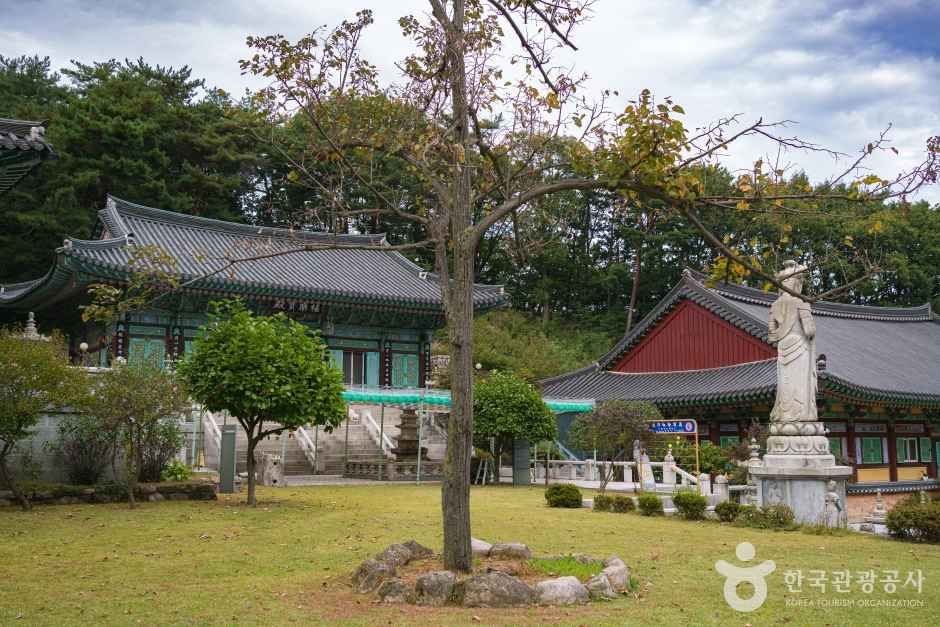
- Hoeryongsa Temple sits on the flank of Dobongsan, part of Bukhansan National Park. A walk up the valley is the perfect appetite-builder.
- Uijeongbu Jeil Market is one of the biggest traditional markets in northern Gyeonggi.
- Uijeongbu Arts Center hosts concerts and an annual music-theatre festival.
Practical tips
- Getting there: Seoul Subway Line 1 to Uijeongbu Station, about 50 minutes from central Seoul. Budae-jjigae Street is a short walk or taxi from the Uijeongbu Jungang area.
- Portions: stews are ordered per person, usually with a two-person minimum.
- Spice level: medium. Ask for less spicy ("덜 맵게") if needed.
- Allergies: processed meats, wheat noodles, soy and sometimes cheese.
Every restaurant below has a video on its EatHub page. Watch one before you go to see how the pot comes to the table.
Find These Restaurants on EatHub
Trip Planning FAQ
How should I use this Uijeongbu: A Day Trip to the Home of Budae-jjigae guide on a trip?
Use the article to narrow your shortlist, then open the linked EatHub map listings to check location, hours, menu context, and nearby areas before you travel.
Do I need a reservation?
For popular Seoul restaurants, award-listed spots, and dinner-time Korean BBQ, booking ahead is safer. If a listing has phone or hours data, confirm before visiting.
Can I use this guide if I have food allergies?
EatHub shows allergy fields when they are available, including dairy, gluten, pork, soy, sesame in this guide. Always confirm ingredients with the restaurant before ordering.
What should I compare before choosing a restaurant?
Compare route fit, budget, menu, and timing. This guide includes signals such as 의정부시 and 한식.