Seongbuk-dong: Embassies, a Temple That Was a Restaurant, and Seoul's Quietest Hills
Ten minutes from Gwanghwamun, Seongbuk-gu has old villas, a mountain fortress wall, one of the most beautiful temples in Seoul, and food priced for residents.
EatHub Data Brief
What this guide is built from
This article is connected to EatHub restaurant records, so readers can move from advice to the live map instead of stopping at a generic list.
- Mapped restaurants
- 6
- Neighborhoods
- 성북구
- Awarded spots
- Check per listing
- Food focus
- 한식, 중식
Menu signals: 메밀묵, 건진국수, 중식당, 돼지고기, 치킨,닭강정
Allergy fields present: buckwheat, eggs, gluten, sesame, soy
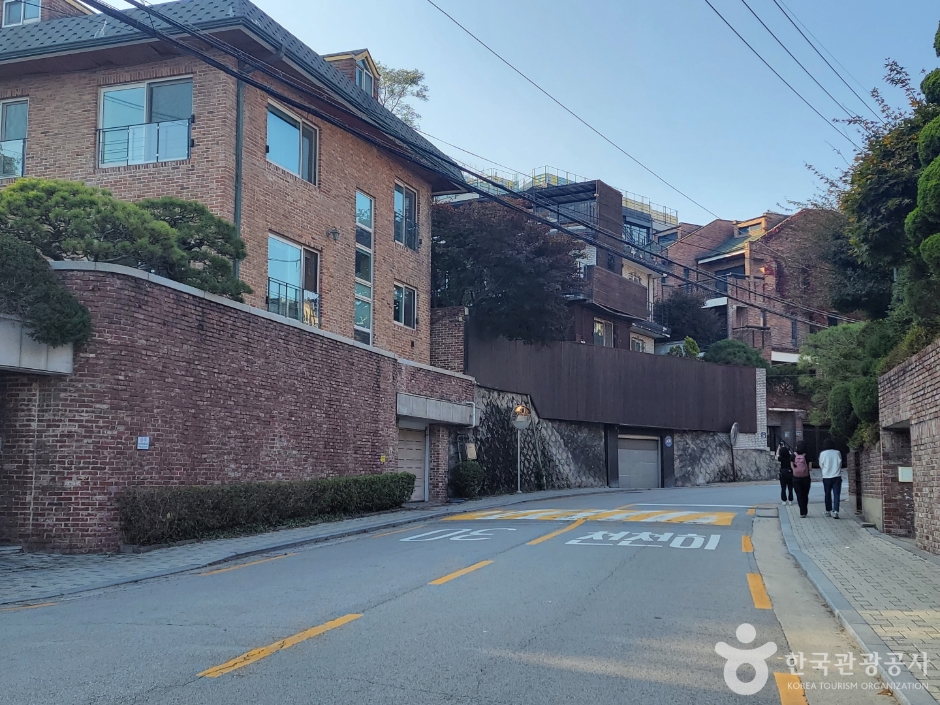
Seongbuk-dong is over the ridge from Bukchon, a ten-minute taxi from Gwanghwamun, and almost entirely absent from foreign itineraries. It's where a large share of Seoul's embassies are, where writers and painters lived in the twentieth century, and where the old city wall runs along the hill above the houses.
The district around it, Seongbuk-gu, stretches north to Bukhansan and includes Korea University, Jeongneung, and Bomun — meaning it holds both very expensive villas and very cheap student food, sometimes on the same street.
What to see
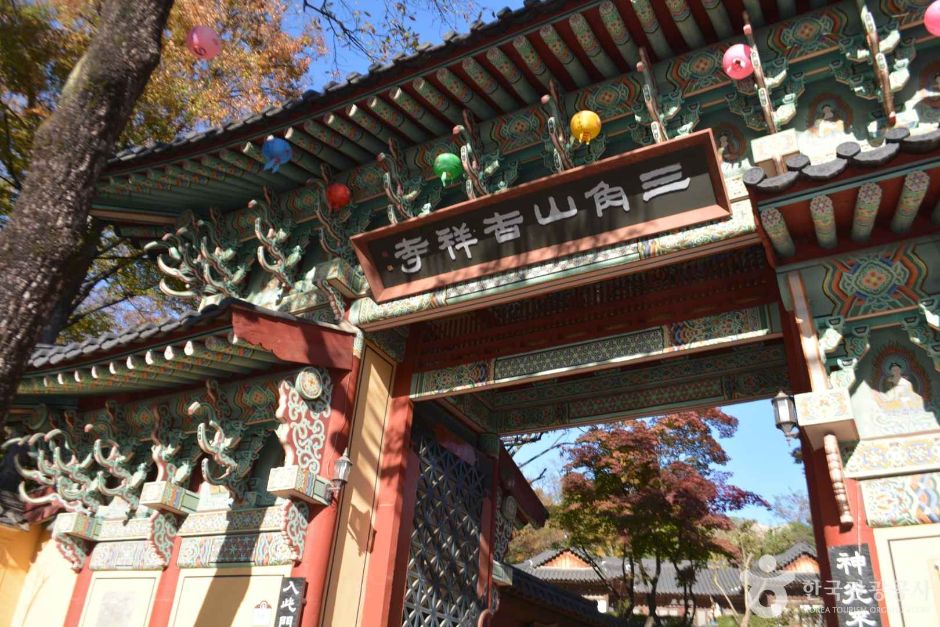
- Gilsangsa. A temple in a wooded valley that was, until 1997, one of Seoul's most exclusive restaurants. Its owner donated the entire property to a Buddhist order, and it is now a working temple with a temple-stay program and a beautiful, silent set of buildings on a slope. Free to enter and one of the most affecting places in the city.
- The Seoul City Wall. The Naksan and Bugaksan sections of the Joseon-era fortress wall pass along Seongbuk's hills, with the Hyehwamun and Sukjeongmun gates. The walk from Hyehwamun over Naksan is easy and has one of the best city views in Seoul.
- Simujang. The small hanok where the monk-poet Han Yong-un lived, deliberately built facing away from the Japanese Governor-General's building.
- The Korea Furniture Museum (by reservation) — a collection of hanok buildings and Joseon furniture on the hillside, and one of the most beautiful private museums in the country.
- Bukhansan National Park. The northern edge of the district runs into the mountain; the Jeongneung entrance is a subway ride away.
What to eat
Seongbuk's food splits cleanly in two, and both halves are good:
- Mukbap and country noodles. Acorn jelly with cold broth, buckwheat noodles, and the mountain-food repertoire — this is the traditional eating of the northern hills, and Seongbuk has old specialists in it.
- Old Chinese-Korean restaurants. The embassy district supported a generation of them and several are still running.
- Grilled pork. Student-priced charcoal grills around Korea University and Bomun.
- Chicken. The Sungin and Jeongneung areas have long-standing whole-chicken shops — grilled, fried, or in soup.
- Seafood and hoe around Bomun, priced for residents rather than visitors.
- European. The embassy population also left the district with a few genuinely old Western restaurants, including one of the oldest German kitchens in Seoul.
How to plan the day
A good half-day: start at Hyehwamun, walk the wall over Naksan or up toward Sukjeongmun, drop down into Seongbuk-dong, visit Gilsangsa in the late afternoon when the light is in the valley, and eat on the way back down the hill.
Practical tips
- Getting there: Hansung University Station (Line 4) is the gateway; from there it's buses 1111 and 2112 up the hill, or a short taxi.
- Gilsangsa is a working temple. Quiet voices, no drone, no tripods in the halls.
- The Bugaksan wall section requires ID at some gates and closes in the evening.
- The Korea Furniture Museum requires advance booking and is not cheap.
- The hills are steep. Take the bus up and walk down.
Each restaurant below has a video on its EatHub page — helpful in a district where the best rooms are frequently in the basement of a residential building.
Find These Restaurants on EatHub
Trip Planning FAQ
How should I use this Seongbuk-dong: Embassies, a Temple That Was a Restaurant, and Seoul's Quietest Hills guide on a trip?
Use the article to narrow your shortlist, then open the linked EatHub map listings to check location, hours, menu context, and nearby areas before you travel.
Do I need a reservation?
For popular Seoul restaurants, award-listed spots, and dinner-time Korean BBQ, booking ahead is safer. If a listing has phone or hours data, confirm before visiting.
Can I use this guide if I have food allergies?
EatHub shows allergy fields when they are available, including buckwheat, eggs, gluten, sesame, soy in this guide. Always confirm ingredients with the restaurant before ordering.
What should I compare before choosing a restaurant?
Compare route fit, budget, menu, and timing. This guide includes signals such as 성북구 and 한식, 중식.