Gwangju: Korea's Best Side Dishes and the City That Changed Its History
Jeolla province is where Koreans go to eat, and Gwangju is its capital. Expect a table full of banchan you didn't order and a city with a serious story to tell.
EatHub Data Brief
What this guide is built from
This article is connected to EatHub restaurant records, so readers can move from advice to the live map instead of stopping at a generic list.
- Mapped restaurants
- 6
- Neighborhoods
- 서구, 동구
- Awarded spots
- Check per listing
- Food focus
- 한식, 카페/베이커리
Menu signals: 족발,보쌈, 해물/생선, 육류,고기요리, 국밥
Allergy fields present: pork, shellfish, soy, fish, sesame
Ask a Korean where the food is best and a large number will say Jeolla. The southwest is the country's rice bowl, its fermentation heartland, and the region whose cooking every other province quietly measures itself against. Gwangju is its largest city, two hours from Seoul by KTX, and it is criminally under-visited by foreign travelers.
What to see
- May 18th National Cemetery and the Democracy Square. In May 1980, Gwangju rose against the military government and was met with force. The uprising is the founding event of modern Korean democracy, and the city presents it seriously and accessibly. The May 18 Archives on Geumnam-ro are UNESCO Memory of the World listed.
- Asia Culture Center (ACC). A vast, largely underground arts complex built on the site of the old provincial hall, with exhibitions, a library, and performance spaces.
- Mudeungsan National Park. The mountain that frames the city, with columnar-jointed rock formations near the summit and easy trails from the eastern suburbs.
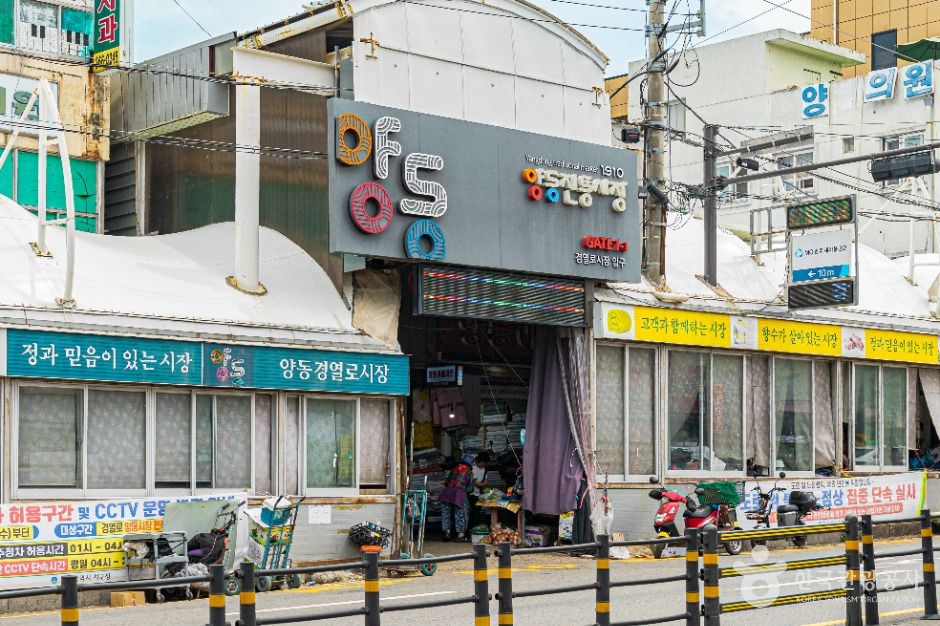
- Yangdong Market. The city's great traditional market, and one of the best market food halls in the country.

What to eat
The Jeolla principle is simple: you order one dish and the table fills with fifteen more. The banchan are not filler here — they are the meal.
- Hanjeongsik. The full set-menu banquet. In Gwangju this can mean thirty dishes, and it's the reason people come.
- Bossam and sundae. Yangdong Market's amppong sundae — a Gwangju style of blood sausage served in soup or steamed — is a local obsession, and the boiled-pork wraps here are exceptional.
- Tteokgalbi. Minced, seasoned beef short rib patted into patties and grilled. The nearby town of Damyang is its home, and Gwangju restaurants do it well.
- Yukjeon and hongeo. Fermented skate, served with pork and kimchi as samhap, is the region's most challenging dish. Try it once with someone who knows what they're doing.
- Sikyuk-sikdang. Butcher-shop restaurants where you buy the beef by weight at the counter and grill it at the table for a fraction of Seoul prices.
- Bungeoppang and market sweets. Gwangju's market snack culture is strong and cheap.

Practical tips
- Getting there: KTX from Yongsan to Gwangju Songjeong, about 1h50m, then subway or taxi into the center.
- Sangmu district is the modern restaurant-and-nightlife quarter; Chungjang-ro is the old shopping street.
- Hanjeongsik is priced per person and needs two people minimum. Book ahead.
- The May 18 sites are free and worth a half day with the ACC.
- Banchan refills are free. Ask; it's expected.
Each restaurant below has a video on its EatHub page — genuinely useful in a city where the best rooms are often plain and the plain ones are often the best.
Find These Restaurants on EatHub
Trip Planning FAQ
How should I use this Gwangju: Korea's Best Side Dishes and the City That Changed Its History guide on a trip?
Use the article to narrow your shortlist, then open the linked EatHub map listings to check location, hours, menu context, and nearby areas before you travel.
Do I need a reservation?
For popular Seoul restaurants, award-listed spots, and dinner-time Korean BBQ, booking ahead is safer. If a listing has phone or hours data, confirm before visiting.
Can I use this guide if I have food allergies?
EatHub shows allergy fields when they are available, including pork, shellfish, soy, fish, sesame in this guide. Always confirm ingredients with the restaurant before ordering.
What should I compare before choosing a restaurant?
Compare route fit, budget, menu, and timing. This guide includes signals such as 서구, 동구 and 한식, 카페/베이커리.