Seocho: Banpo Bridge, the Bus Terminal, and Gangnam Food Without Gangnam Prices
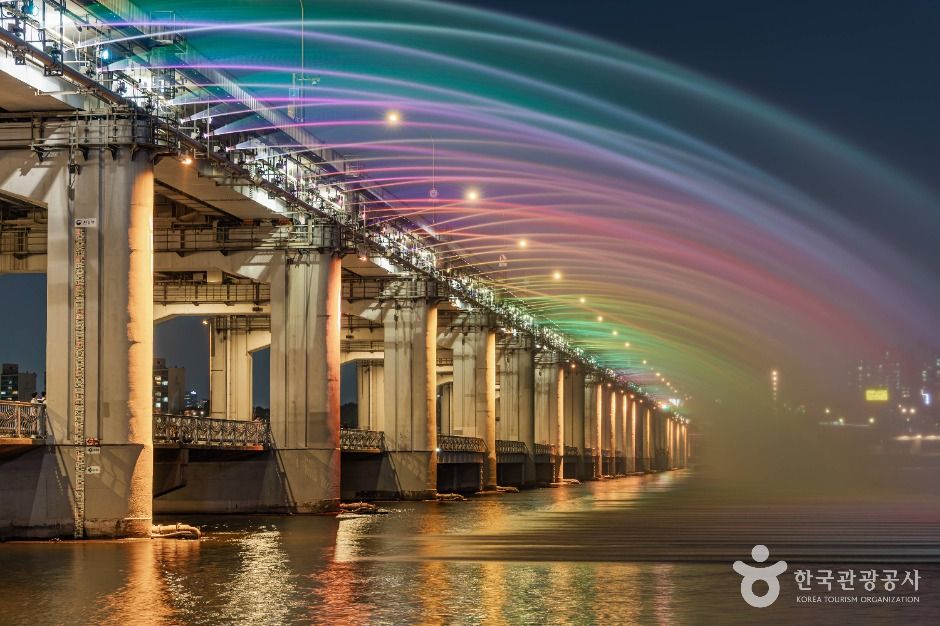
Seocho-gu has the rainbow fountain, Korea's biggest underground shopping mall, the Seoul Arts Center, and a set of old restaurants the district has quietly protected.
EatHub Data Brief
What this guide is built from
This article is connected to EatHub restaurant records, so readers can move from advice to the live map instead of stopping at a generic list.
- Mapped restaurants
- 6
- Neighborhoods
- 서초구
- Awarded spots
- 1
- Food focus
- 한식
Menu signals: 곰탕,설렁탕, 고기구이, 돼지고기구이, 한식
Allergy fields present: beef, soy, sesame, pork, shellfish
Everyone says "Gangnam," but Gangnam is two districts. Gangnam-gu is the one in the song — Sinsa, Apgujeong, Samseong. Seocho-gu, immediately west, is where the courts, the Seoul Arts Center, the Express Bus Terminal, and the Banpo riverside are. It's less flashy, cheaper to eat in, and easier to walk.
What's actually here
- Banpo Hangang Park and the Moonlight Rainbow Fountain. Banpo Bridge sprays a curtain of illuminated water on a schedule from spring through autumn — one of the few free evening spectacles in Seoul. The floating islands (Sevit) sit right beside it.
- Express Bus Terminal. Underneath the bus station is Goto Mall, a kilometer of underground shops selling clothes and homeware at prices that make Myeongdong look expensive. It's also where you catch buses to almost anywhere in the country.
- Seoul Arts Center. Korea's main classical music and opera complex, plus the Hangaram art museum, up in Seocho-dong.
- Seorae Village. The small French quarter on Montmartre hill — bakeries, wine shops, and a quieter café scene than Gangnam's.
What to eat
Seocho's food identity is built on beef soup and grilled meat, and on lunch spots that have served the courthouse and the terminal for decades:
- Seolleongtang (설렁탕). Milky ox-bone broth, salted at the table, served with rice and kkakdugi radish kimchi. Seocho has one of the long-running Yeongdong-area houses of this dish, and it's the most reliable cheap meal in the district.
- Gopchang and grilled offal. The area around Seoul National University of Education Station ("Gyodae") is a famous after-work strip for grilled beef intestine and pork.
- Hanjeongsik and baekban. Set meals of rice, soup, and a table of banchan — the way people here actually eat lunch.
- Hoe and seafood. The Noryangjin fish market is one stop across the river, but Seocho itself has a strong set of neighborhood raw-fish restaurants.
Building the day
The natural version: afternoon at the Arts Center or shopping in Goto Mall, early dinner in Seocho or Bangbae, then walk down to Banpo Hangang Park for the fountain show after dark. Check the fountain schedule before you commit — it doesn't run in winter and it's cancelled in rain.
Each restaurant below has a video on its EatHub page, so you can see the room and the portion sizes before you get on the subway.
Practical tips
- Getting there: Express Bus Terminal Station (Lines 3, 7, 9) is the hub; Gyodae Station (Lines 2, 3) for the grill strip; Nambu Terminal Station (Line 3) for the Arts Center.
- The fountain runs several times each evening, roughly April to October. Arrive fifteen minutes early for a spot on the grass.
- Goto Mall is cash-friendly and haggling-friendly, and closed one Tuesday a month.
- Seocho is a work district. Weekday lunch is crowded; weekend lunch is easy.
Start with the restaurants below and let the fountain be dessert.
Find These Restaurants on EatHub
Trip Planning FAQ
How should I use this Seocho: Banpo Bridge, the Bus Terminal, and Gangnam Food Without Gangnam Prices guide on a trip?
Use the article to narrow your shortlist, then open the linked EatHub map listings to check location, hours, menu context, and nearby areas before you travel.
Do I need a reservation?
For popular Seoul restaurants, award-listed spots, and dinner-time Korean BBQ, booking ahead is safer. If a listing has phone or hours data, confirm before visiting.
How do Michelin and Blue Ribbon signals help me choose?
Michelin is useful for internationally recognized dining and Bib Gourmand value picks, while Blue Ribbon can surface strong local recognition. EatHub combines those signals with map context so the choice fits your route.
Can I use this guide if I have food allergies?
EatHub shows allergy fields when they are available, including beef, soy, sesame, pork, shellfish in this guide. Always confirm ingredients with the restaurant before ordering.