Pohang: Sunrise at the Edge of the Peninsula, and What to Eat There
Korea's easternmost cape, a Japanese-era fishing village, and a steel city with a seafood market. Pohang is the country's sunrise destination and a serious eating town.
EatHub Data Brief
What this guide is built from
This article is connected to EatHub restaurant records, so readers can move from advice to the live map instead of stopping at a generic list.
- Mapped restaurants
- 6
- Neighborhoods
- 포항시
- Awarded spots
- Check per listing
- Food focus
- 한식
Menu signals: 종합분식, 한식, 곰탕,설렁탕, 육류,고기요리
Allergy fields present: eggs, gluten, sesame, soy, shellfish
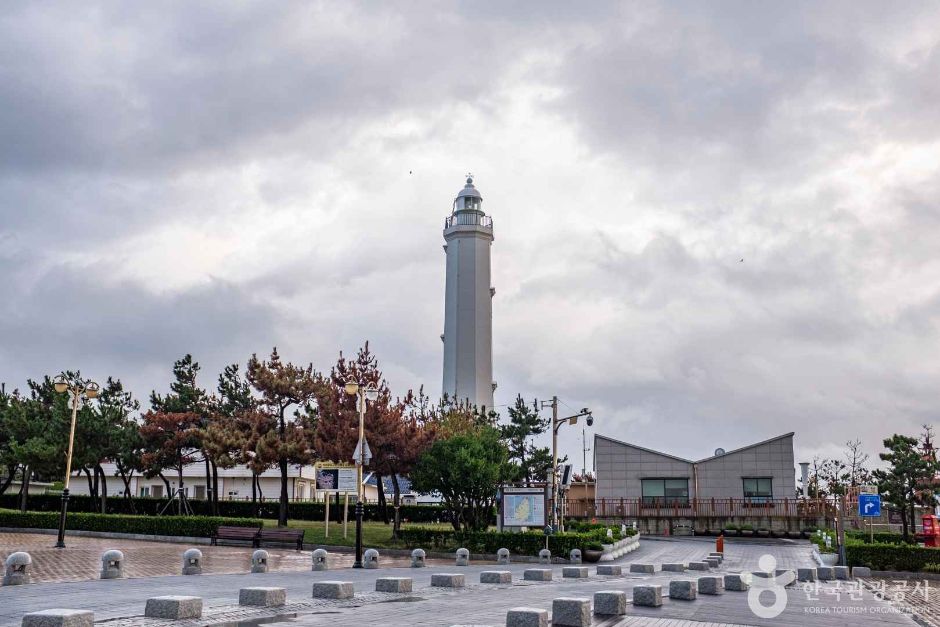
Pohang sits at the far eastern edge of the Korean peninsula, where the land runs out into a hooked cape. It's a steel town — POSCO built the modern Korean economy here — and it's also the place the country comes to watch the first sunrise of the year.
It's under two and a half hours from Seoul by KTX, and it pairs naturally with Gyeongju, forty minutes south.
What to see
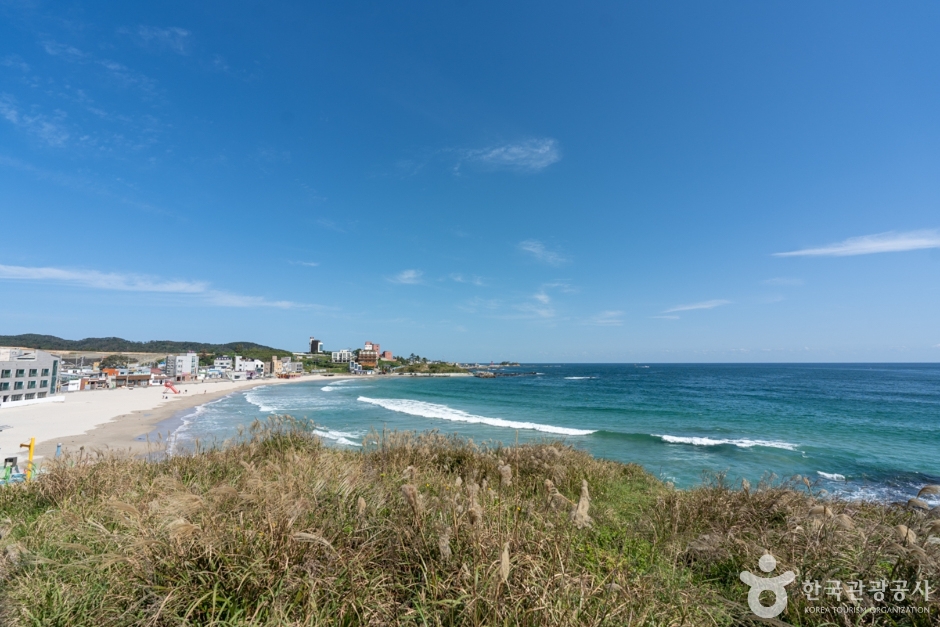
- Homigot. The "tiger's tail" cape, the easternmost point on the mainland. A giant bronze hand rises out of the sea here, with its pair on the shore — the Hands of Harmony. On 1 January, tens of thousands of people stand on this beach in the dark. The rest of the year it's windswept and empty and better for it.
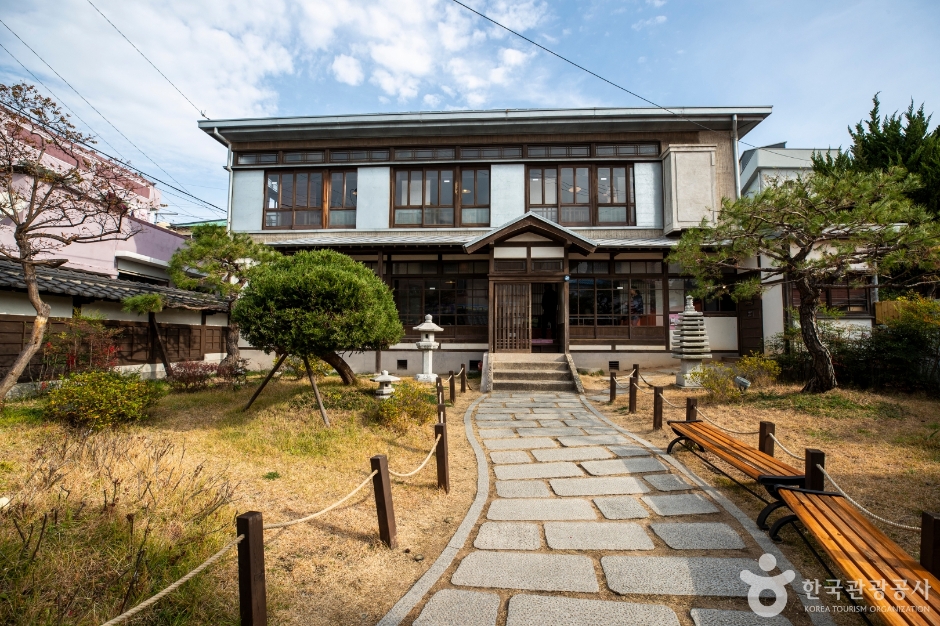
- Guryongpo. A fishing port with a preserved street of Japanese-era wooden houses from the colonial period, when Japanese fishermen settled here. It's small, atmospheric, and became widely known as a drama location.
- Yeongildae Beach and the Space Walk. A free steel walkway sculpture on the hill above the city that you can actually climb — a roller-coaster-shaped structure with a view over the port.
- Bogyeongsa Temple and the twelve waterfalls of Naeyeonsan valley, inland.
What to eat
Pohang has two national specialties, and one of them only exists in winter:
- Gwamegi (과메기). Half-dried saury or herring, cured in the winter wind, eaten wrapped in seaweed with raw garlic, chili, and a leaf of lettuce. It's oily, powerful, and available roughly November to February. Guryongpo is its home.
- Mulhoe (물회). Raw fish in an icy, sweet-spicy broth, eaten with noodles or rice stirred in at the end. It's the summer counterpart to gwamegi and Pohang's version is the benchmark.
- Daege (snow crab). The east coast crab season peaks from winter into spring, and Pohang's Jukdo Market is one of the main places to buy it.
- Jukdo Market. The biggest traditional market on the east coast, packed with raw fish, dried seafood, and a whole street of hoe restaurants.
- Beef. Pohang's butcher-restaurants (sikyuk-sikdang) serve local beef bought by weight at the counter and grilled at your table.
- Bunsik. The city has a genuinely famous old snack shop selling hand-cut noodles and steamed sweets, and a strong market-food culture.
Practical tips
- Getting there: KTX to Pohang Station (about 2h20m from Seoul). Buses run from the station to Homigot in around an hour.
- New Year's Day at Homigot requires booking accommodation months ahead and expecting traffic.
- Gwamegi is seasonal. Don't plan a summer trip around it — order mulhoe instead.
- Jukdo Market's raw fish restaurants work like Noryangjin: buy downstairs, eat upstairs.
- Combine with Gyeongju. The two cities are 40 minutes apart and make an easy two-day pairing.
Each restaurant below has a video on its EatHub page — useful in a market city where the good rooms look exactly like the ordinary ones.
Find These Restaurants on EatHub
Trip Planning FAQ
How should I use this Pohang: Sunrise at the Edge of the Peninsula, and What to Eat There guide on a trip?
Use the article to narrow your shortlist, then open the linked EatHub map listings to check location, hours, menu context, and nearby areas before you travel.
Do I need a reservation?
For popular Seoul restaurants, award-listed spots, and dinner-time Korean BBQ, booking ahead is safer. If a listing has phone or hours data, confirm before visiting.
Can I use this guide if I have food allergies?
EatHub shows allergy fields when they are available, including eggs, gluten, sesame, soy, shellfish in this guide. Always confirm ingredients with the restaurant before ordering.
What should I compare before choosing a restaurant?
Compare route fit, budget, menu, and timing. This guide includes signals such as 포항시 and 한식.