Nampo-dong, Jagalchi & Gukje Market: Old Busan in One Long Walk
Korea's biggest fish market, a market built by war refugees, a film-festival street, and a hill with a tower — all within fifteen minutes of each other, and all worth eating through.
EatHub Data Brief
What this guide is built from
This article is connected to EatHub restaurant records, so readers can move from advice to the live map instead of stopping at a generic list.
- Mapped restaurants
- 6
- Neighborhoods
- 중구
- Awarded spots
- Check per listing
- Food focus
- 한식, 중식
Menu signals: 한식, 국밥, 중식당, 김밥
Allergy fields present: sesame, shellfish, soy, gluten, pork
Most travelers to Busan stay near the beaches and never go west. That's a mistake. Jung-gu — Nampo-dong, Gwangbok-dong, Jagalchi — is the historic center of the city, and it's the part with the strongest food identity in Korea outside Seoul.
Everything here is walkable. You can do the whole loop in an afternoon and eat four times doing it.
The walk
Start at Jagalchi Market, Korea's largest fish market, where the sellers are famously and almost exclusively women. Downstairs you choose a fish; upstairs they slice it and serve it to you. Even if you don't eat there, the market floor is worth twenty minutes.
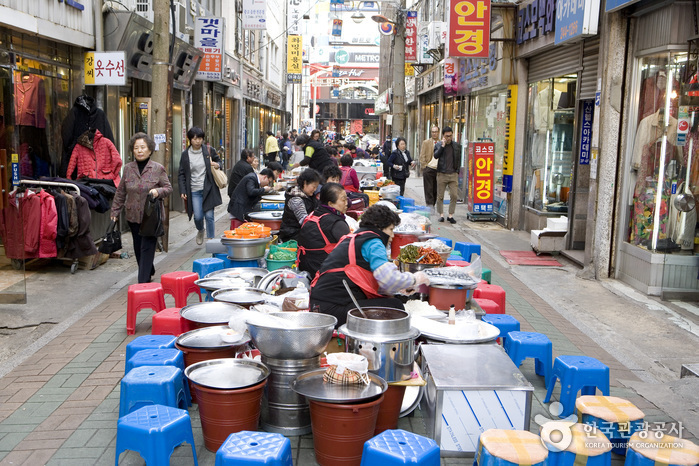
Walk north into Gukje Market, founded by refugees during the Korean War and still a maze of stalls selling everything. Its food alley — the meokja golmok — is the reason to come.
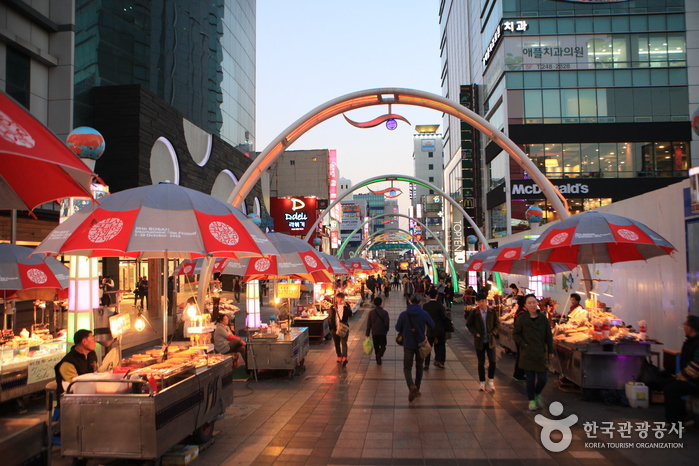
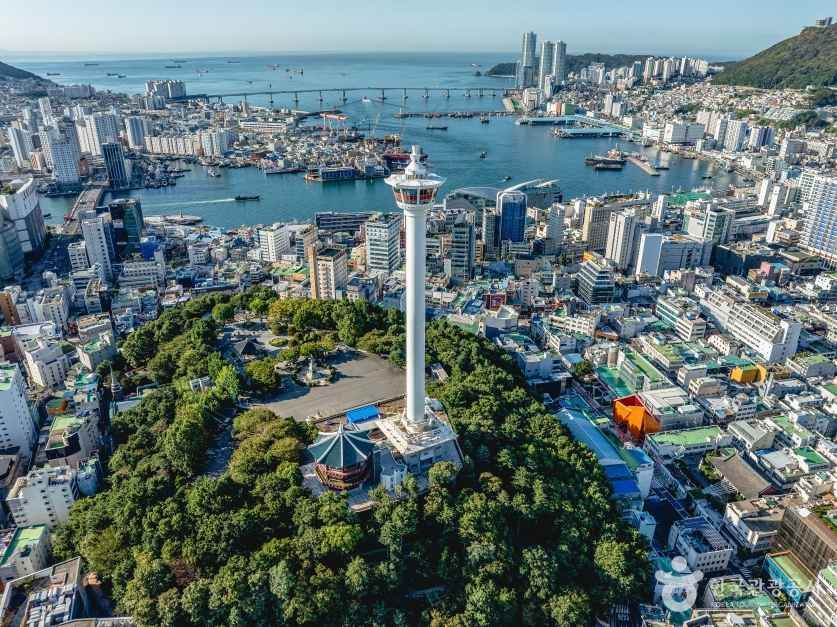
Cut east into BIFF Square, the old cinema street that gives the Busan International Film Festival its name, with handprints of directors set into the pavement and a permanent row of street-food carts. Then climb (or take the escalator) up to Yongdusan Park and the Busan Tower for the view over the port.
What to eat, in order
Old Busan has a very specific food vocabulary, most of it invented or perfected here:
- Milmyeon (밀면). Busan's own cold noodle — wheat instead of buckwheat, invented by North Korean refugees who couldn't get the right flour. Sweeter and springier than Pyongyang naengmyeon. This is the single most Busan thing you can eat.
- Ssiat hotteok. A fried sweet pancake stuffed with seeds and nuts, sold at BIFF Square. Queue for it.
- Dwaeji-gukbap. Pork-bone rice soup, the other great refugee dish of this city. Add the shrimp paste and chives yourself.
- Hoe and maeuntang at Jagalchi.
- Gimbap and bunsik from the market alleys — Busan's market gimbap shops are their own genre.
- Jjajangmyeon at the old Chinese-Korean restaurants near the port.
Practical tips
- Getting there: Jagalchi Station or Nampo Station (Line 1). From Haeundae it's about 40 minutes by subway.
- Jagalchi closes on the first and third Tuesday of most months.
- Prices at the fish market are negotiable, and the upstairs serving fee is separate from the fish. Agree on both before you sit.
- Gamcheon Culture Village is a 15-minute bus ride from Jagalchi if you want to add the painted hillside village to the day.
- Go hungry. This is a grazing district, not a one-big-meal district.
Each restaurant below has a video on its EatHub page — the fastest way to size up a market restaurant before you commit to a table.
Find These Restaurants on EatHub
Trip Planning FAQ
How should I use this Nampo-dong, Jagalchi & Gukje Market: Old Busan in One Long Walk guide on a trip?
Use the article to narrow your shortlist, then open the linked EatHub map listings to check location, hours, menu context, and nearby areas before you travel.
Do I need a reservation?
For popular Seoul restaurants, award-listed spots, and dinner-time Korean BBQ, booking ahead is safer. If a listing has phone or hours data, confirm before visiting.
Can I use this guide if I have food allergies?
EatHub shows allergy fields when they are available, including sesame, shellfish, soy, gluten, pork in this guide. Always confirm ingredients with the restaurant before ordering.
What should I compare before choosing a restaurant?
Compare route fit, budget, menu, and timing. This guide includes signals such as 중구 and 한식, 중식.