Itaewon, Hannam & Yongsan: Seoul's Most International Neighborhood, Eaten Properly
Yongsan holds Itaewon's global strip, Hannam's design shops and galleries, and some of the most talked-about Korean restaurants in the country. Here's how to eat across it.
EatHub Data Brief
What this guide is built from
This article is connected to EatHub restaurant records, so readers can move from advice to the live map instead of stopping at a generic list.
- Mapped restaurants
- 6
- Neighborhoods
- 용산구
- Awarded spots
- 2
- Food focus
- 한식, 양식, 일식, 중식
Menu signals: 우대갈비, 짚불삼겹살, 양식, 칼국수,만두, 육회비빔밥, 선지국밥, 콩국수
Allergy fields present: pork, sesame, soy, dairy, eggs
Yongsan-gu is the part of Seoul where the city stops being only Korean. Itaewon has been the international quarter for decades — Turkish, Nigerian, Pakistani, Thai, American food, a mosque on the hill, and English on most menus. Just east, Hannam-dong has turned into the design and gallery district, with Leeum Museum, concept stores, and quiet, expensive restaurants. West of the station, Huam-dong and Hyochang-dong are old residential Seoul, largely untouched.
For a traveler this is a useful combination: you can eat something familiar when you need to, and then eat something genuinely serious when you're ready.
The route
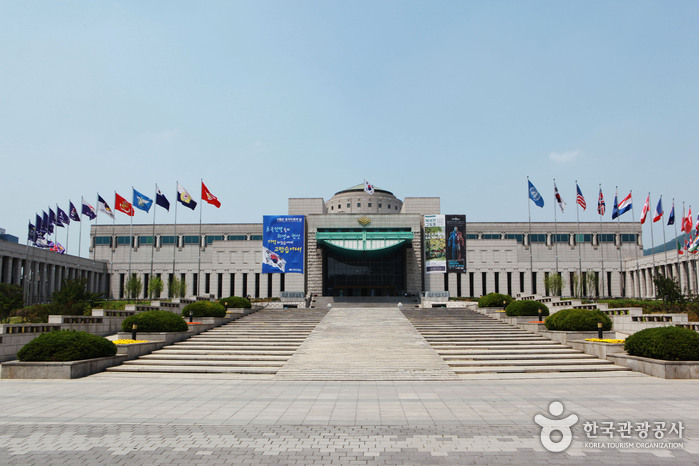
The War Memorial of Korea is the anchor sight — free, enormous, and one of the best museums in the city for understanding modern Korea. From there it's a walk east along Itaewon-ro into Itaewon proper, then up into Hannam for Leeum and the shops. Yongsan Station and the Amorepacific building sit to the west, and the Yongsan Family Park area is where the National Museum of Korea is.
What to eat here
Yongsan has three distinct food scenes stacked on top of each other:
- Serious Korean. Some of the most reserved-out Korean restaurants in the country are in this district — a wood-fired pork specialist in Yongsan-dong that changed how Seoul grills meat, and a tasting-menu restaurant carrying Michelin stars for modern Korean cooking.
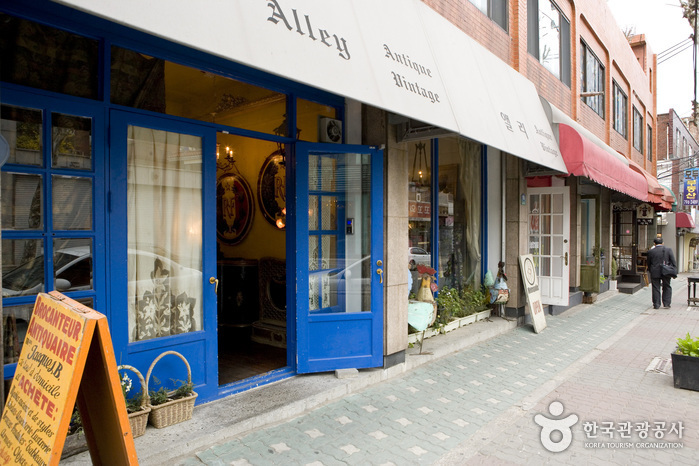
- Old neighborhood Korean. Huam-dong and Hyochang-dong are full of shops that have made one thing for forty years: mandu (dumplings), sundae-guk, jjajang-udon, a single braised-fish baekban. These are cheap, tiny, and excellent.
- International. Halal butchers and Turkish kebab near the mosque, Southeast Asian on the hills, and a strong ramen and izakaya scene.
If you only have one meal in Yongsan, make it Korean — the international food is good, but it isn't why people from other parts of Seoul come here.
How to plan it
The best restaurants in this district are small and busy. Two habits help:
- Check the video first. Every restaurant below has one on its EatHub page. You'll see whether it's a counter for four people or a room with a queue, and roughly what dinner costs.
- Decide lunch or dinner deliberately. The famous grill houses are dinner-shaped and often need a booking or a long wait; the old baekban and mandu shops are lunch-shaped and frequently close by early evening.
Practical tips
- Getting there: Itaewon Station and Hangangjin Station (both Line 6) for Itaewon and Hannam; Samgakji or Namyeong for the War Memorial; Yongsan Station (Line 1 / KTX) for the west side.
- Hannam is hilly. The walk from Itaewon Station up to Leeum is steeper than it looks on a map.
- The National Museum of Korea and the War Memorial are both free and both take half a day if you let them.
- Late night is Itaewon's specialty — much of the strip runs well past midnight, which is unusual even in Seoul.
Pick a restaurant below, look at the video, and build the museum day around the table you actually want.
Find These Restaurants on EatHub
Trip Planning FAQ
How should I use this Itaewon, Hannam & Yongsan: Seoul's Most International Neighborhood, Eaten Properly guide on a trip?
Use the article to narrow your shortlist, then open the linked EatHub map listings to check location, hours, menu context, and nearby areas before you travel.
Do I need a reservation?
For popular Seoul restaurants, award-listed spots, and dinner-time Korean BBQ, booking ahead is safer. If a listing has phone or hours data, confirm before visiting.
How do Michelin and Blue Ribbon signals help me choose?
Michelin is useful for internationally recognized dining and Bib Gourmand value picks, while Blue Ribbon can surface strong local recognition. EatHub combines those signals with map context so the choice fits your route.
Can I use this guide if I have food allergies?
EatHub shows allergy fields when they are available, including pork, sesame, soy, dairy, eggs in this guide. Always confirm ingredients with the restaurant before ordering.