Jinju Hoegwan: Seoul's Most Famous Bowl of Cold Soy-Milk Noodles
Behind City Hall, Jinju Hoegwan has served thick, ice-cold kongguksu since the 1960s — a summer ritual for downtown Seoul, with kimchi strong enough to have its own reputation.

EatHub Data Brief
What this guide is built from
This article is connected to EatHub restaurant records, so readers can move from advice to the live map instead of stopping at a generic list.
- Mapped restaurants
- 4
- Neighborhoods
- 중구
- Awarded spots
- Check per listing
- Food focus
- 한식
Menu signals: 콩국수, 부대찌개, 국밥, 국수, 꼬리찜, 도가니 수육
Allergy fields present: dairy, gluten, pork, soy, sesame
Every summer, a queue forms in the lane behind Seoul City Hall for one dish: kongguksu (콩국수), noodles in a cold broth of ground soybeans. Jinju Hoegwan (진주회관) has been making it since the 1960s. For many Seoulites, their first bowl of the year here is how they know summer has started.
What kongguksu is
It's wheat noodles served in a chilled, blended soybean "milk." Jinju Hoegwan's version is famous for how thick the broth is, closer to a cold soup than a milk, and for its deep, nutty flavour. Some people add salt; some add sugar (a regional habit). Try it plain first.
The restaurant's kimchi is almost as famous: very garlicky, sharp and fermented. It cuts through the rich broth, and that's why it's there.
What to order
- Kongguksu — the reason to come. It's priced above an ordinary noodle bowl, which reflects how much soybean goes into it.
- The menu is short and seasonal. EatHub's data also lists budae-jjigae (army stew) among its dishes, and the cold-weather menu changes, so check what's on when you visit.
How to eat it
- Taste the broth plain.
- Add a little salt from the table if you want it, and stir. The flavour opens up.
- Alternate noodles with kimchi.
- Drink the broth at the end. It's filling, so pace yourself.
When to go
The restaurant's listed hours are weekdays 11:00–21:00 and Saturdays 11:00–20:00, with a break around 14:00–15:00 on Saturdays, and it's closed Sundays. Check its EatHub page before you go. Weekday lunch in July and August is peak time, and the line moves steadily. Go at 11:00 or after 14:00 to skip most of it.
Around City Hall
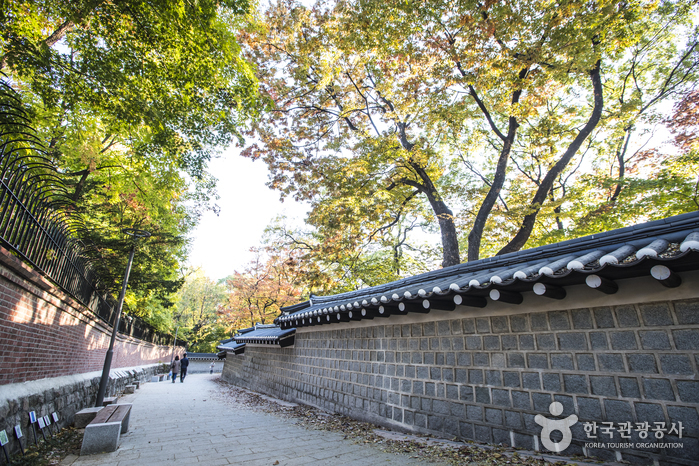
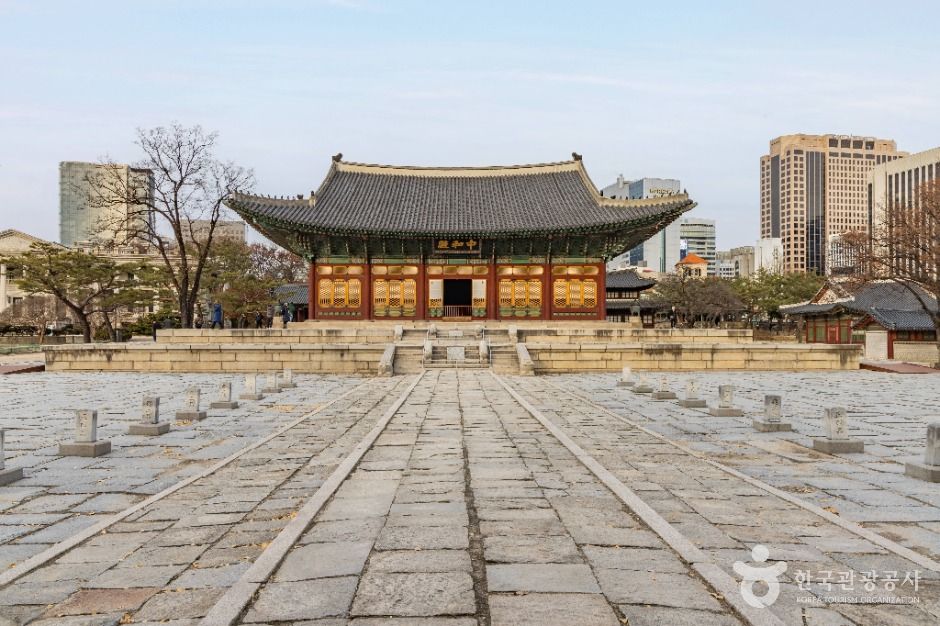
- Deoksugung Palace is across the street. Its stone-wall road (Deoksugung Doldam-gil) is one of the prettiest walks downtown.
- Seoul Plaza and the Seoul Library, in the old City Hall building, are right there.
- Jeong-dong's early-modern buildings (churches, legations and the Jeongdong Theater) are ten minutes west.
Nearby spots with videos
- Cheongsongok for gukbap (rice in hot soup), if it's not noodle weather.
- Songok, another long-running noodle house nearby.
- Jinjujip for braised oxtail and boiled knee cartilage, a hearty downtown classic.
Practical tips
- Getting there: City Hall Station (Lines 1 and 2). It's in the lane behind the plaza.
- Allergies: the broth is soybean-based, and the noodles contain wheat.
- Service is fast and brisk. Order quickly, eat and go. That's the downtown lunch rhythm.
The video above shows just how thick the broth is. It's worth watching before you go.
Find These Restaurants on EatHub
Trip Planning FAQ
How should I use this Jinju Hoegwan: Seoul's Most Famous Bowl of Cold Soy-Milk Noodles guide on a trip?
Use the article to narrow your shortlist, then open the linked EatHub map listings to check location, hours, menu context, and nearby areas before you travel.
Do I need a reservation?
For popular Seoul restaurants, award-listed spots, and dinner-time Korean BBQ, booking ahead is safer. If a listing has phone or hours data, confirm before visiting.
Can I use this guide if I have food allergies?
EatHub shows allergy fields when they are available, including dairy, gluten, pork, soy, sesame in this guide. Always confirm ingredients with the restaurant before ordering.
What should I compare before choosing a restaurant?
Compare route fit, budget, menu, and timing. This guide includes signals such as 중구 and 한식.